


How can high-efficiency shell and tube heat exchangers maximize waste heat recovery efficiency under energy conservation and emission reduction requirements?
Release Time : 2026-04-07
With the continuous advancement of "dual carbon" goals and energy conservation and emission reduction policies, industrial systems are placing higher demands on energy utilization efficiency. High-efficiency shell and tube heat exchangers, as one of the most widely used heat exchange devices in process industries, play a crucial role in waste heat recovery. By optimizing design and operation, efficient recovery and reuse of waste heat can be achieved, not only reducing energy consumption but also significantly reducing carbon emissions, thus improving the overall system's economic and environmental performance.
1. Optimizing Heat Transfer Structure to Improve Heat Exchange Efficiency
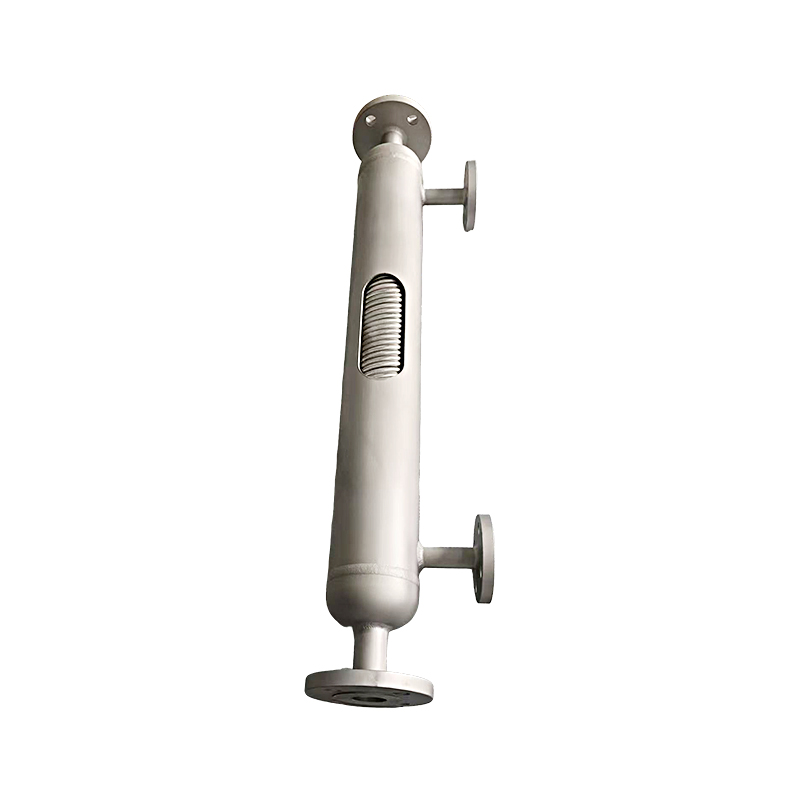
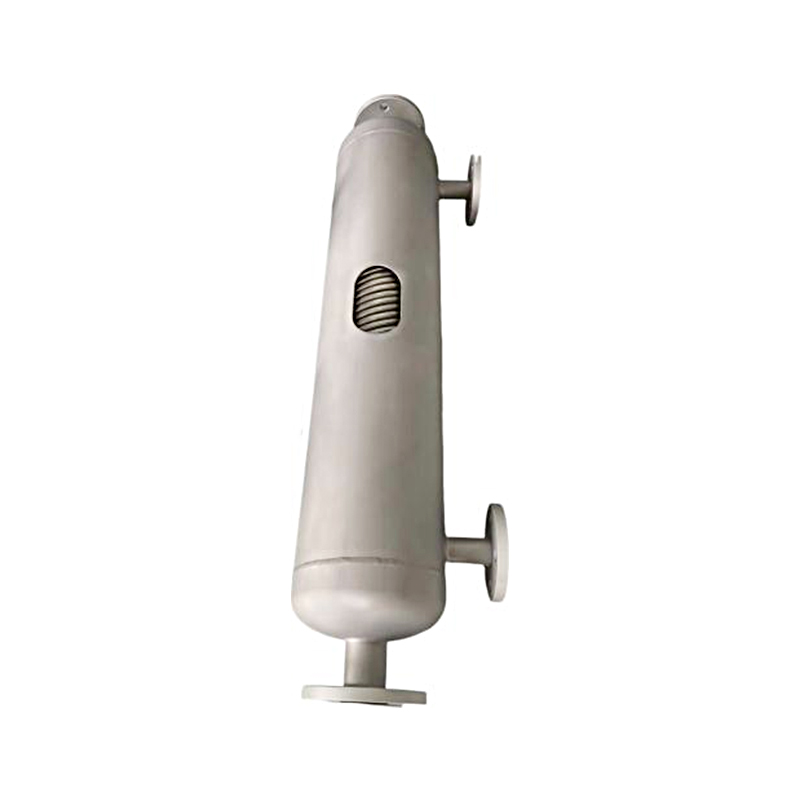
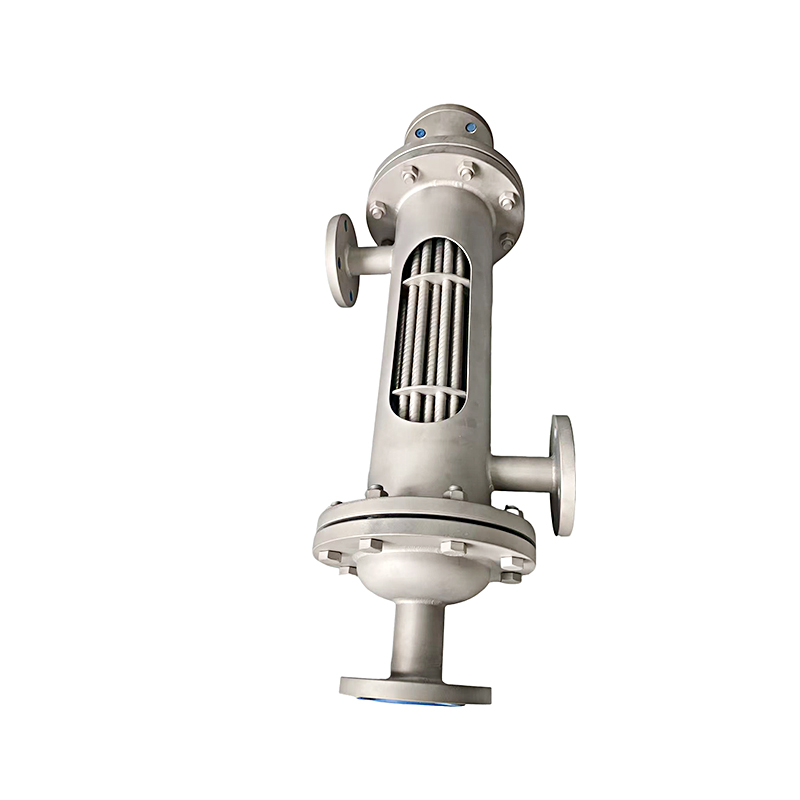
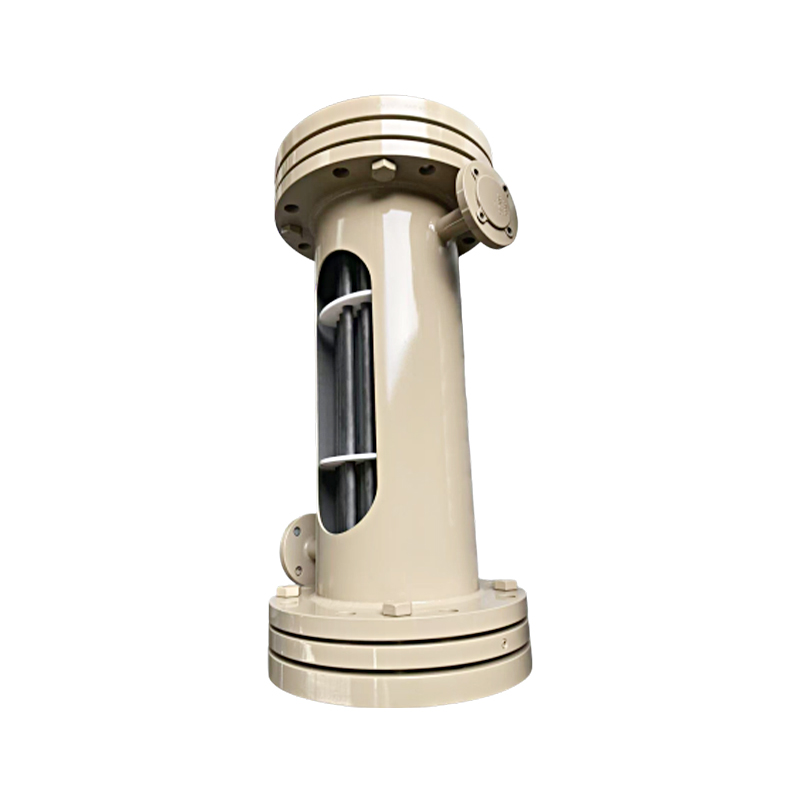
Maximizing waste heat recovery efficiency primarily relies on improving the heat transfer performance of the heat exchanger itself. Using high-efficiency heat transfer tubes, such as internally threaded tubes or finned tubes, can significantly enhance fluid turbulence and thin the boundary layer, thereby increasing the heat transfer coefficient. Simultaneously, a rational design of the tube bundle arrangement and tube diameter helps improve the utilization rate of the heat exchange area. On the shell side, optimizing the baffle structure can enhance the lateral scouring effect of the fluid, reduce flow dead zones, and make heat exchange more complete.
2. Improving Recovery Efficiency through Rational Matching of Process Parameters
In actual operation, fluid velocity, temperature difference, and flow pattern have a significant impact on waste heat recovery. Increasing the temperature difference between hot and cold fluids can enhance the driving force, but it is necessary to avoid thermal stress problems caused by excessive temperature differences. Furthermore, optimizing the flow velocity to create turbulence helps improve heat exchange efficiency, but the balance between pressure drop and energy consumption must be considered simultaneously. Using counter-current heat exchange, compared to co-current flow, is more conducive to increasing the outlet temperature, thereby improving the overall efficiency of waste heat recovery.
3. Achieving Cascaded Utilization through Multi-Stage and Combined Heat Exchange Systems
In complex industrial systems, a single heat exchanger often cannot fully utilize waste heat. By constructing a multi-stage heat exchange system, waste heat at different temperature levels can be recovered in stages. For example, high-temperature waste heat can be used to preheat raw materials or generate steam, while medium- and low-temperature waste heat can be used to heat process water or air. This cascaded utilization method can maximize the value of thermal energy, avoid the waste of high-quality thermal energy, and improve energy utilization efficiency at the system level.
4. Scale Prevention and Cleaning Technologies Ensure Long-Term High-Efficiency Operation
Scale buildup is a significant factor affecting the efficiency of high-efficiency shell and tube heat exchangers. Scale layers significantly increase thermal resistance and reduce heat transfer efficiency. Therefore, during the design phase, selecting smooth or anti-scaling materials and optimizing flow rates can reduce deposits. During operation, employing online cleaning technologies or periodic maintenance measures, such as chemical and mechanical cleaning, can effectively keep the heat transfer surfaces clean, ensuring long-term stable operation and maintaining high waste heat recovery efficiency.
5. Intelligent Control and Monitoring Enable Dynamic Optimization
With the increasing level of industrial automation, high-efficiency shell and tube heat exchangers are gradually incorporating intelligent monitoring and control systems. By collecting key parameters such as temperature, pressure, and flow rate in real time and combining them with data analysis algorithms, operating conditions can be dynamically adjusted to keep the equipment in optimal heat exchange condition. For example, flow distribution can be automatically adjusted based on load changes, or early warnings and maintenance can be scheduled when scaling trends appear. This intelligent management approach not only improves waste heat recovery efficiency but also reduces operating costs.
In summary, under the requirements of energy conservation and emission reduction, the high-efficiency shell and tube heat exchanger maximizes waste heat recovery efficiency through synergistic improvements in structural optimization, parameter matching, multi-stage utilization, scale prevention maintenance, and intelligent control. In the future, with the continuous development of new materials and digital technologies, its role in the field of energy-efficient utilization will become even more prominent.
1. Optimizing Heat Transfer Structure to Improve Heat Exchange Efficiency
Maximizing waste heat recovery efficiency primarily relies on improving the heat transfer performance of the heat exchanger itself. Using high-efficiency heat transfer tubes, such as internally threaded tubes or finned tubes, can significantly enhance fluid turbulence and thin the boundary layer, thereby increasing the heat transfer coefficient. Simultaneously, a rational design of the tube bundle arrangement and tube diameter helps improve the utilization rate of the heat exchange area. On the shell side, optimizing the baffle structure can enhance the lateral scouring effect of the fluid, reduce flow dead zones, and make heat exchange more complete.
2. Improving Recovery Efficiency through Rational Matching of Process Parameters
In actual operation, fluid velocity, temperature difference, and flow pattern have a significant impact on waste heat recovery. Increasing the temperature difference between hot and cold fluids can enhance the driving force, but it is necessary to avoid thermal stress problems caused by excessive temperature differences. Furthermore, optimizing the flow velocity to create turbulence helps improve heat exchange efficiency, but the balance between pressure drop and energy consumption must be considered simultaneously. Using counter-current heat exchange, compared to co-current flow, is more conducive to increasing the outlet temperature, thereby improving the overall efficiency of waste heat recovery.
3. Achieving Cascaded Utilization through Multi-Stage and Combined Heat Exchange Systems
In complex industrial systems, a single heat exchanger often cannot fully utilize waste heat. By constructing a multi-stage heat exchange system, waste heat at different temperature levels can be recovered in stages. For example, high-temperature waste heat can be used to preheat raw materials or generate steam, while medium- and low-temperature waste heat can be used to heat process water or air. This cascaded utilization method can maximize the value of thermal energy, avoid the waste of high-quality thermal energy, and improve energy utilization efficiency at the system level.
4. Scale Prevention and Cleaning Technologies Ensure Long-Term High-Efficiency Operation
Scale buildup is a significant factor affecting the efficiency of high-efficiency shell and tube heat exchangers. Scale layers significantly increase thermal resistance and reduce heat transfer efficiency. Therefore, during the design phase, selecting smooth or anti-scaling materials and optimizing flow rates can reduce deposits. During operation, employing online cleaning technologies or periodic maintenance measures, such as chemical and mechanical cleaning, can effectively keep the heat transfer surfaces clean, ensuring long-term stable operation and maintaining high waste heat recovery efficiency.
5. Intelligent Control and Monitoring Enable Dynamic Optimization
With the increasing level of industrial automation, high-efficiency shell and tube heat exchangers are gradually incorporating intelligent monitoring and control systems. By collecting key parameters such as temperature, pressure, and flow rate in real time and combining them with data analysis algorithms, operating conditions can be dynamically adjusted to keep the equipment in optimal heat exchange condition. For example, flow distribution can be automatically adjusted based on load changes, or early warnings and maintenance can be scheduled when scaling trends appear. This intelligent management approach not only improves waste heat recovery efficiency but also reduces operating costs.
In summary, under the requirements of energy conservation and emission reduction, the high-efficiency shell and tube heat exchanger maximizes waste heat recovery efficiency through synergistic improvements in structural optimization, parameter matching, multi-stage utilization, scale prevention maintenance, and intelligent control. In the future, with the continuous development of new materials and digital technologies, its role in the field of energy-efficient utilization will become even more prominent.