


How does a high-efficiency shell and tube heat exchanger maximize temperature difference utilization efficiency?
Release Time : 2025-12-31
In thermal energy utilization systems, the heat exchange efficiency directly determines the amount of energy consumed and the operating cost. Whether it's the condensation process of central air conditioning, industrial waste heat recovery, or heat transfer in district heating systems, maximizing the heat exchange potential of a limited temperature difference remains a core issue in thermal design. The high-efficiency shell and tube heat exchanger, with its classic counter-flow arrangement and meticulously designed internal flow channel structure, finds the optimal balance between physical laws and engineering practice, achieving the ultimate utilization of temperature difference resources.
The so-called "counter-flow arrangement" refers to the two heat exchange media—usually the tube-side fluid and the shell-side fluid—flowing in opposite directions. For example, the high-temperature fluid enters from one end of the shell and flows along the shell side to the other end; while the low-temperature fluid enters from the far end of the tube bundle and flows in the opposite direction to the high-temperature fluid inlet side. The key advantage of this flow arrangement is that the temperature difference between the hot and cold fluids remains relatively uniform and large throughout the entire heat exchange length. In contrast, while co-current flow (flow in the same direction) results in a large initial temperature difference, it decays rapidly, leaving almost no driving force for heat transfer at the end. Counter-current flow, however, allows the outlet temperature of the lower-temperature fluid to approach or even exceed that of the higher-temperature fluid, significantly increasing the average heat transfer temperature difference. According to fundamental thermodynamic principles, heat transfer is proportional to the average temperature difference; therefore, counter-current arrangements naturally possess a higher theoretical heat transfer limit.
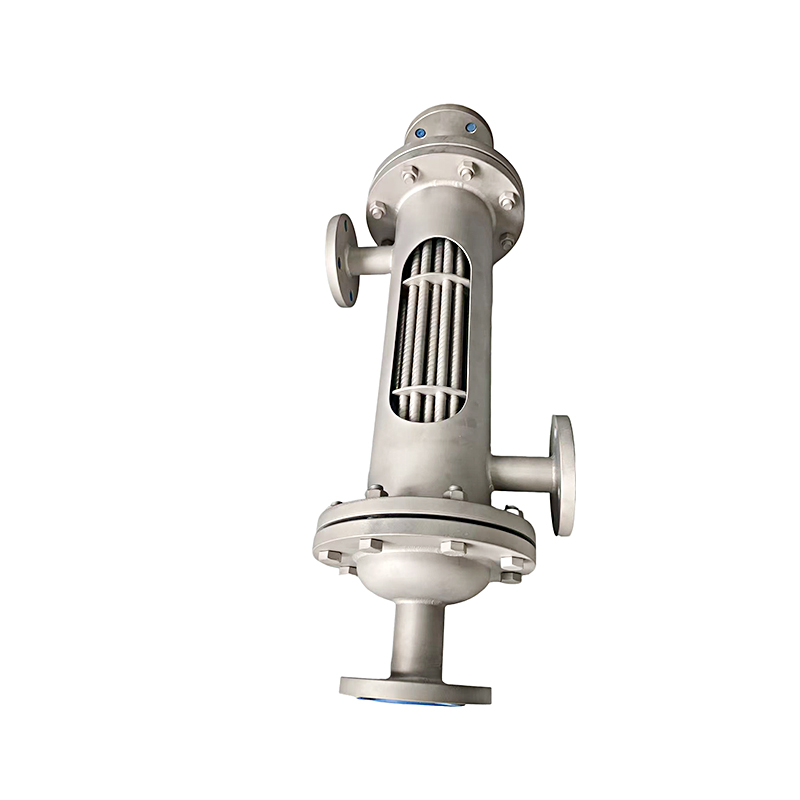
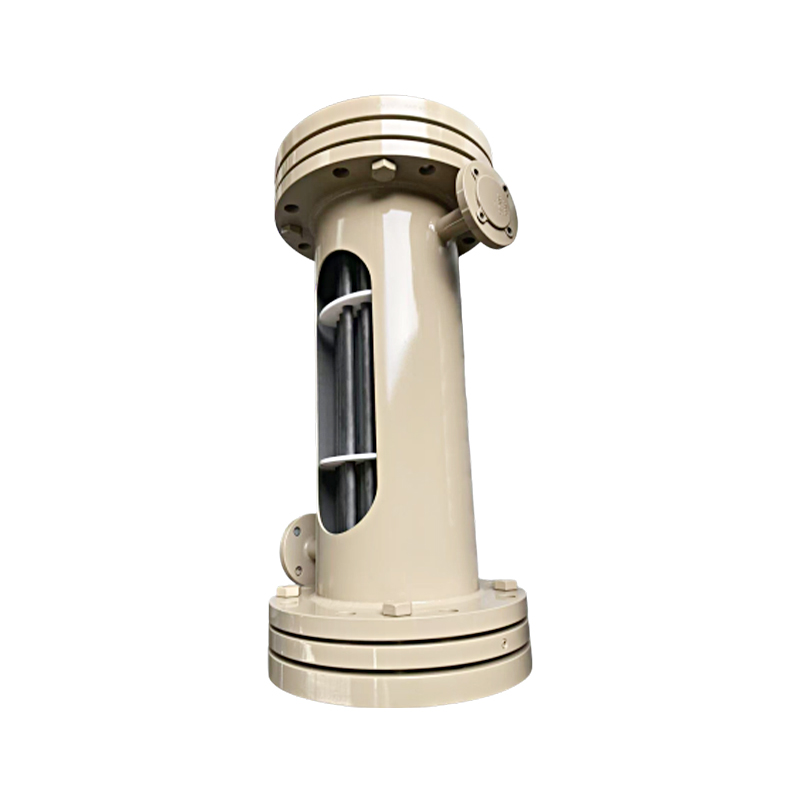
However, flow direction alone is insufficient for achieving high-efficiency heat transfer. High-efficiency shell and tube heat exchangers further translate this theoretical advantage into practical performance through refined optimization of the flow channel structure. On the shell side, the proper arrangement of baffles is crucial. Baffles not only support the tube bundle and prevent vibration but also guide the shell-side fluid to laterally scour the tube bundle, breaking the boundary layer and enhancing turbulence. The stronger the turbulence, the lower the thermal resistance, and the easier it is for heat to be transferred from the tube wall to the fluid. Modern high-efficiency designs often employ bow-shaped, spiral, or continuous baffles to maximize fluid disturbance and contact area while ensuring controllable pressure drop.
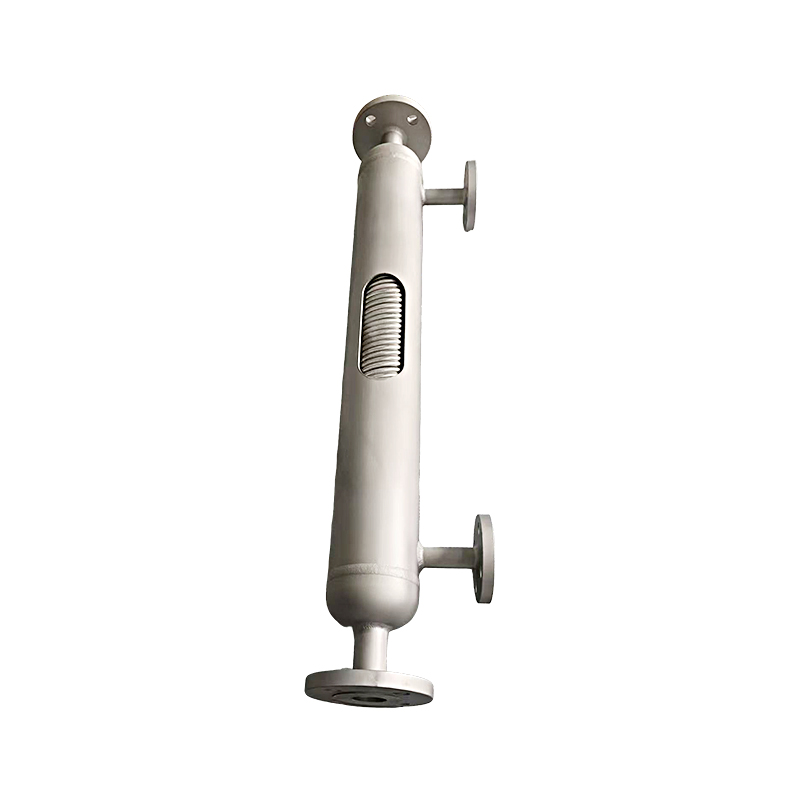
On the tube side, the heat exchange tubes themselves are also cleverly designed. Some products utilize internally threaded tubes, corrugated tubes, or finned tubes to further enhance heat transfer within the tube by increasing the internal surface area and inducing secondary flow. Simultaneously, multi-pass structures (such as two-pass and four-pass designs) extend the fluid flow path within the tube, increase flow velocity, avoid short-circuit flow, and ensure that each section of the tube wall fully participates in heat exchange.
More importantly, this optimization is not isolated but a holistic, collaborative process. Engineers must comprehensively consider flow distribution, pressure drop limitations, fouling tendency, and manufacturing processes to achieve the optimal balance between enhanced heat transfer and flow resistance. For example, excessively increasing baffle density, while improving heat transfer, leads to a significant increase in pump power, resulting in a net loss. The high-efficiency shell and tube heat exchanger finds that "just right" design point through simulation and experimental verification—ensuring that temperature difference is not wasted and that the system does not consume extra energy to overcome resistance.
Furthermore, the combination of counter-flow and optimized flow channels also improves operational stability. Uniform temperature distribution reduces localized thermal stress and lowers the risk of material fatigue; stable flow also suppresses adverse phenomena such as cavitation and vibration, extending equipment life.
Ultimately, the high-efficiency shell and tube heat exchanger's extreme pursuit of temperature difference utilization efficiency reflects a profound respect for the second law of thermodynamics—ensuring that no temperature difference is overlooked and no heat is wasted. With its simple yet robust structure, it silently and precisely transfers energy at the intersection of cold and heat. When waste heat from the factory is recovered for heating, and when air conditioning systems maintain a comfortable environment with lower energy consumption, it is this seemingly silent heat exchanger that, behind the scenes, writes a silent epic of high efficiency and energy saving between counter-current and vortex flows.
The so-called "counter-flow arrangement" refers to the two heat exchange media—usually the tube-side fluid and the shell-side fluid—flowing in opposite directions. For example, the high-temperature fluid enters from one end of the shell and flows along the shell side to the other end; while the low-temperature fluid enters from the far end of the tube bundle and flows in the opposite direction to the high-temperature fluid inlet side. The key advantage of this flow arrangement is that the temperature difference between the hot and cold fluids remains relatively uniform and large throughout the entire heat exchange length. In contrast, while co-current flow (flow in the same direction) results in a large initial temperature difference, it decays rapidly, leaving almost no driving force for heat transfer at the end. Counter-current flow, however, allows the outlet temperature of the lower-temperature fluid to approach or even exceed that of the higher-temperature fluid, significantly increasing the average heat transfer temperature difference. According to fundamental thermodynamic principles, heat transfer is proportional to the average temperature difference; therefore, counter-current arrangements naturally possess a higher theoretical heat transfer limit.
However, flow direction alone is insufficient for achieving high-efficiency heat transfer. High-efficiency shell and tube heat exchangers further translate this theoretical advantage into practical performance through refined optimization of the flow channel structure. On the shell side, the proper arrangement of baffles is crucial. Baffles not only support the tube bundle and prevent vibration but also guide the shell-side fluid to laterally scour the tube bundle, breaking the boundary layer and enhancing turbulence. The stronger the turbulence, the lower the thermal resistance, and the easier it is for heat to be transferred from the tube wall to the fluid. Modern high-efficiency designs often employ bow-shaped, spiral, or continuous baffles to maximize fluid disturbance and contact area while ensuring controllable pressure drop.
On the tube side, the heat exchange tubes themselves are also cleverly designed. Some products utilize internally threaded tubes, corrugated tubes, or finned tubes to further enhance heat transfer within the tube by increasing the internal surface area and inducing secondary flow. Simultaneously, multi-pass structures (such as two-pass and four-pass designs) extend the fluid flow path within the tube, increase flow velocity, avoid short-circuit flow, and ensure that each section of the tube wall fully participates in heat exchange.
More importantly, this optimization is not isolated but a holistic, collaborative process. Engineers must comprehensively consider flow distribution, pressure drop limitations, fouling tendency, and manufacturing processes to achieve the optimal balance between enhanced heat transfer and flow resistance. For example, excessively increasing baffle density, while improving heat transfer, leads to a significant increase in pump power, resulting in a net loss. The high-efficiency shell and tube heat exchanger finds that "just right" design point through simulation and experimental verification—ensuring that temperature difference is not wasted and that the system does not consume extra energy to overcome resistance.
Furthermore, the combination of counter-flow and optimized flow channels also improves operational stability. Uniform temperature distribution reduces localized thermal stress and lowers the risk of material fatigue; stable flow also suppresses adverse phenomena such as cavitation and vibration, extending equipment life.
Ultimately, the high-efficiency shell and tube heat exchanger's extreme pursuit of temperature difference utilization efficiency reflects a profound respect for the second law of thermodynamics—ensuring that no temperature difference is overlooked and no heat is wasted. With its simple yet robust structure, it silently and precisely transfers energy at the intersection of cold and heat. When waste heat from the factory is recovered for heating, and when air conditioning systems maintain a comfortable environment with lower energy consumption, it is this seemingly silent heat exchanger that, behind the scenes, writes a silent epic of high efficiency and energy saving between counter-current and vortex flows.