


How to reduce fluid resistance in the flow channel design of a stainless steel spiral wound tube heat exchanger?
Release Time : 2026-01-15
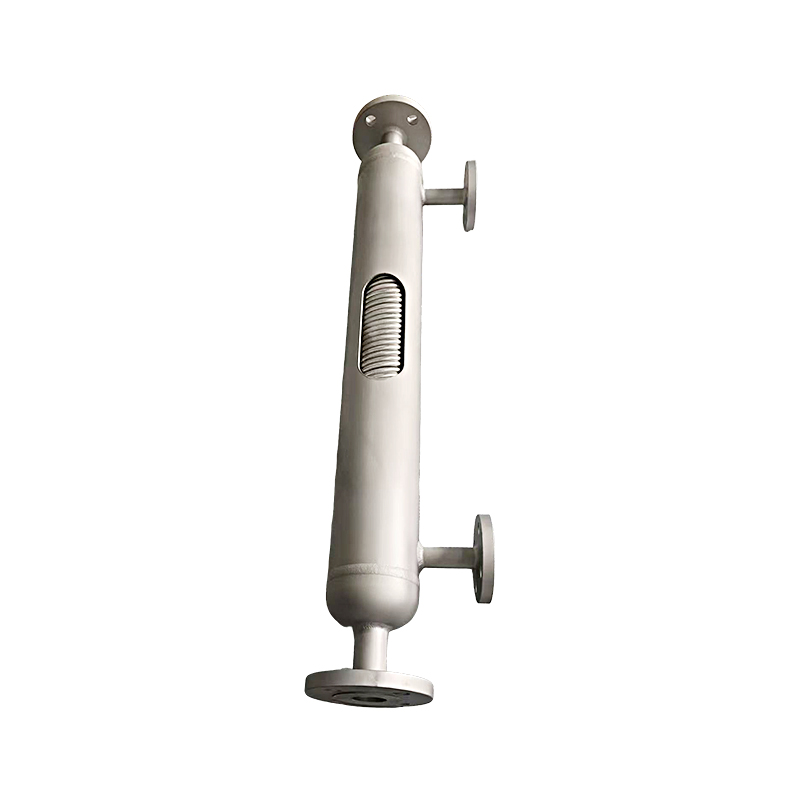
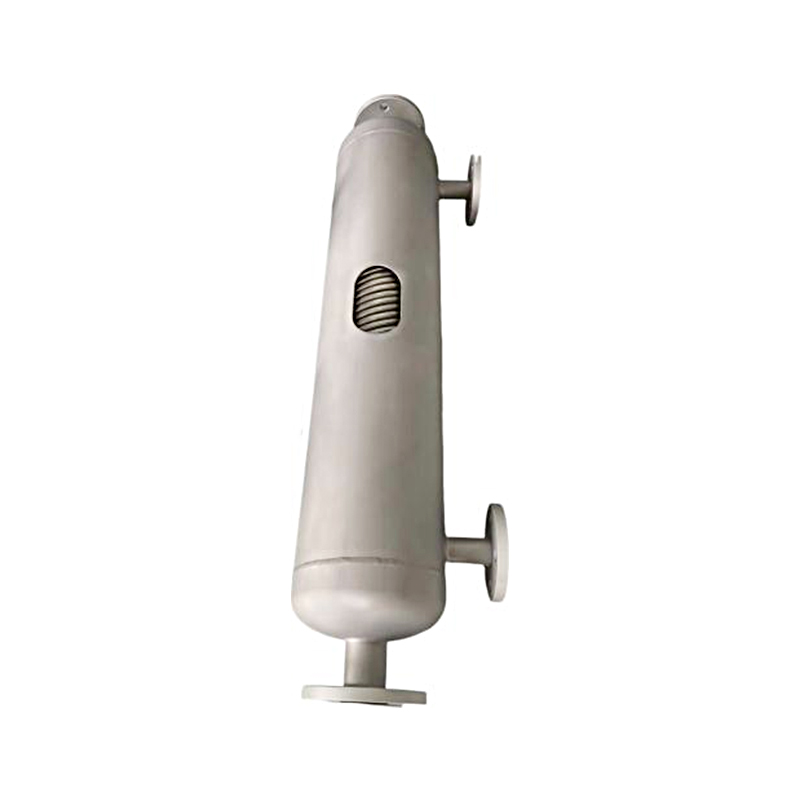
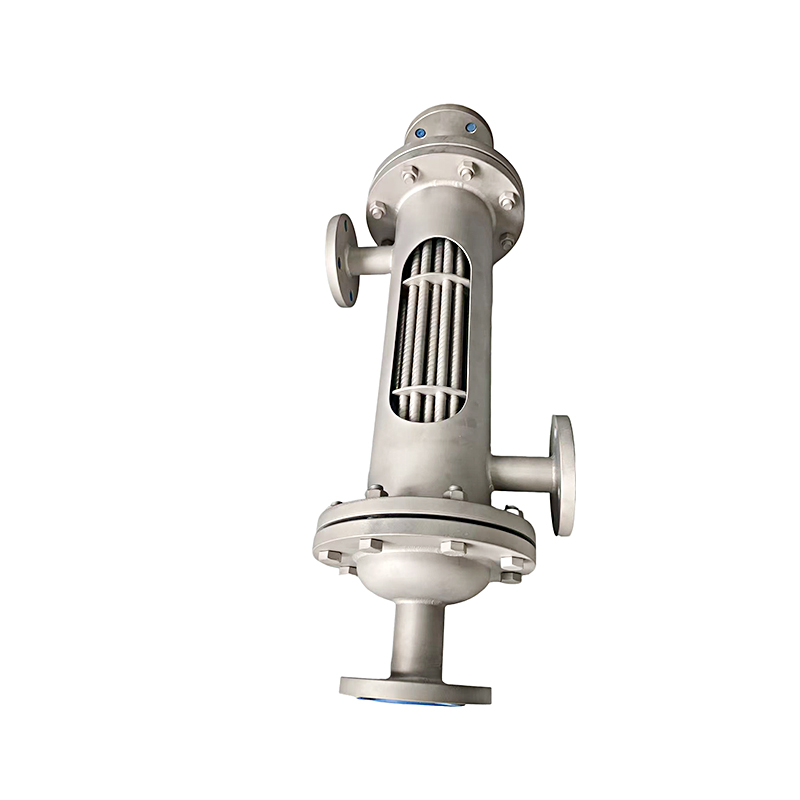
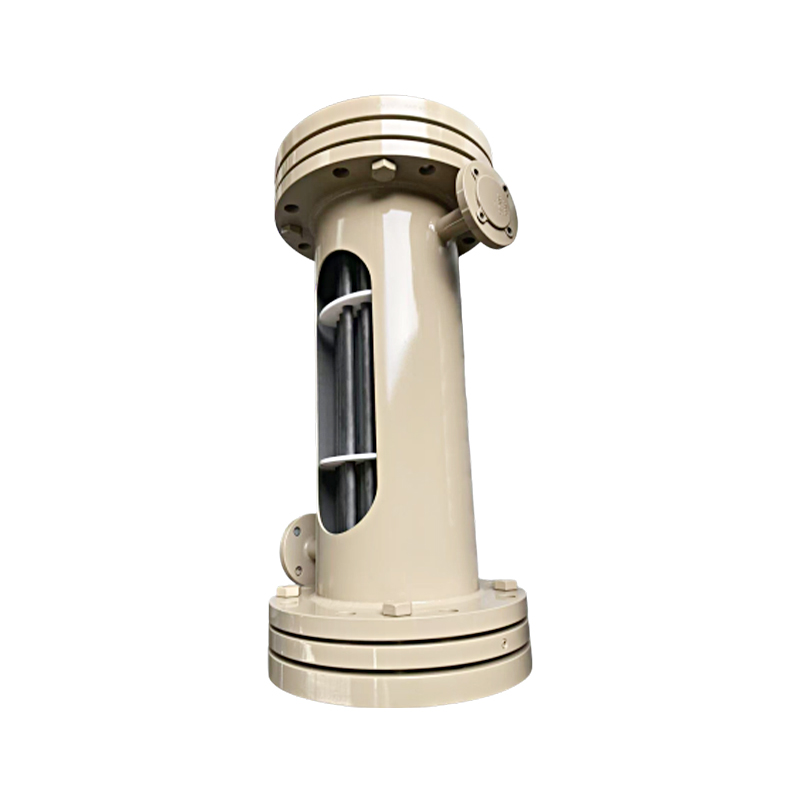
The flow channel design of a stainless steel spiral wound tube heat exchanger requires optimizing structural parameters, flow field distribution, and surface characteristics to achieve a systematic reduction in fluid resistance. Its core logic lies in balancing enhanced heat transfer with flow resistance. Through the secondary circulation effect created by the three-dimensional spiral flow channel, the thermal boundary layer is disrupted while the velocity boundary layer thickness is reduced, thereby lowering resistance losses.
The primary strategy in flow channel design is to optimize the geometric parameters of the spiral tube bundle. The diameter of the wound tube, the average winding diameter, and the pitch are key factors affecting fluid resistance. Increasing the diameter of the wound tube and the average winding diameter can enhance fluid turbulence but will significantly increase flow resistance; while decreasing the pitch can increase turbulence intensity but will lead to increased pressure drop due to narrow flow channels. Therefore, numerical simulation and experimental verification are needed to determine the optimal parameter combination, maximizing the flow channel cross-sectional area while maintaining moderate turbulence, thereby reducing resistance per unit length. For example, a non-uniform pitch design can be used, with a smaller pitch in the inlet section to enhance heat transfer and a larger pitch in the outlet section to reduce resistance, achieving overall performance optimization.
The three-dimensional structure of the flow channel has a decisive influence on fluid resistance. The stainless steel spiral wound tube heat exchanger constructs a complex three-dimensional flow channel through multi-layered, counter-winding tube bundles, generating radially symmetrical vortices within the spiral channel. This secondary circulation effect not only disrupts the thermal boundary layer but also, through centrifugal force, forces the fluid to flow tightly against the tube wall, reducing the presence of low-velocity fluid in the core region and thus lowering flow resistance. Furthermore, the three-dimensional flow channel avoids the flow dead zones found in traditional straight-tube heat exchangers, resulting in more uniform fluid distribution and further reducing local resistance.
Surface treatment technology is an effective means of reducing fluid resistance. Polishing, electropolishing, or coating with low-friction coefficient coatings can significantly reduce tube wall roughness, lowering the frictional resistance between the fluid and the tube wall. For example, using a graphene composite coating not only improves thermal conductivity but also enhances the smoothness of the tube wall surface, thereby reducing flow resistance. In addition, superhydrophobic surface treatment technology allows the fluid to form a slip flow on the tube wall, further reducing frictional resistance, suitable for high-viscosity fluid conditions.
The transition structure design between the inlet and outlet of the flow channel is crucial for resistance control. Sudden expansion or contraction of the flow channel cross-section can cause fluid separation and vortices, increasing local resistance. By employing gradually expanding or contracting transition sections, fluid velocity can be smoothly varied, avoiding energy loss. For example, a guide cone at the inlet guides the fluid uniformly into the spiral channel, reducing turbulence losses at the inlet; a diffuser at the outlet allows the fluid's kinetic energy to gradually recover into pressure energy, reducing outlet pressure drop.
Multi-flow cooperative design can further optimize resistance distribution. The stainless steel spiral wound tube heat exchanger supports simultaneous heat exchange of multiple fluids. By rationally allocating the cross-sectional area and velocity of each fluid flow, high-resistance and low-resistance fluids can complement each other, reducing overall pressure drop. For example, a split-pass design in the shell side distributes high-viscosity fluids to the outer, less-resistance channels and low-viscosity fluids to the inner, highly turbulent channels, achieving comprehensive optimization of resistance and heat transfer.
Self-cleaning channel design indirectly reduces fluid resistance by minimizing fouling. The strong turbulence generated by the spiral flow washes away fouling from the tube walls, preventing channel narrowing caused by scaling. Furthermore, the detachable tube bundle design facilitates regular cleaning and maintenance, ensuring the flow channel maintains low resistance over the long term. For example, in the food processing industry, this design extends cleaning cycles, reducing production interruptions and resistance fluctuations caused by downtime for cleaning.
The stainless steel spiral wound tube heat exchanger systematically reduces fluid resistance by optimizing spiral tube bundle geometry, constructing a three-dimensional spiral flow channel, applying surface treatment technology, designing transition structures, coordinating multi-stream fluid flow, employing self-cleaning design, and intelligent control strategies. These design strategies not only improve the heat exchanger's energy efficiency but also expand its application range under extreme conditions such as high temperature and pressure, strong corrosion, and high viscosity, providing an efficient and reliable solution for industrial heat exchange.