


How can the resistance to high-temperature oxidation in a stainless steel spiral wound tube heat exchanger be improved through material modification?
Release Time : 2026-02-16
As a high-efficiency heat exchange device, the high-temperature oxidation resistance of stainless steel spiral wound tube heat exchangers directly affects their lifespan and operational stability. Improving this performance through material modification requires a comprehensive approach, encompassing basic material selection, alloy element optimization, composite material application, surface treatment technology, innovative structural design, manufacturing process control, and long-term performance verification, forming a systematic solution.
Basic material selection is the core prerequisite for high-temperature oxidation resistance. Traditional stainless steel is prone to oxidation corrosion at high temperatures, leading to thinning of the tube wall and decreased heat transfer efficiency. Using high-chromium, high-nickel alloy stainless steel (such as 316L and 347H) can significantly improve oxidation resistance. Chromium forms a dense chromium oxide protective film on the material surface, effectively isolating oxygen from contact with the substrate; nickel enhances film adhesion and delays oxide layer peeling. Furthermore, the addition of molybdenum further enhances the material's resistance to pitting corrosion in chlorine-containing environments, extending the equipment's service life in harsh conditions such as chemical and marine environments.
Alloy element optimization requires balancing high-temperature resistance and processing performance. By adjusting the content of elements such as carbon and nitrogen in stainless steel, the grain structure can be refined, reducing embrittlement caused by grain boundary migration at high temperatures. For example, ultra-low carbon stainless steel (such as 316L) reduces carbon content, preventing carbide precipitation at grain boundaries and thus inhibiting high-temperature creep and stress corrosion cracking. Simultaneously, adding appropriate amounts of stabilizing elements such as titanium and niobium can fix carbon, preventing the formation of harmful phases during welding or heat treatment, ensuring the long-term stability of the material at high temperatures.
The application of composite materials provides a new path for resisting high-temperature oxidation. Combining stainless steel with high-temperature resistant materials such as ceramics and silicon carbide combines the toughness of metals with the oxidation resistance of ceramics. For example, graphene/silicon carbide composite coatings, applied to stainless steel surfaces using chemical vapor deposition, have thermal conductivity far exceeding that of traditional materials and a temperature resistance exceeding 1200℃, significantly improving the heat exchange efficiency of equipment under supercritical conditions. Furthermore, titanium-steel composite plates, through explosive bonding processes, combine the corrosion resistance of titanium with the strength of steel, reducing material costs while meeting the requirements of high-temperature and high-pressure environments.
Surface treatment technology is a direct means of improving resistance to high-temperature oxidation. Forming an anti-oxidation layer on the stainless steel surface through processes such as spraying and diffusion plating can effectively block oxygen diffusion. For example, plasma-sprayed alumina coatings can build a dense barrier on the material surface, with a melting point as high as 2072℃, allowing for long-term resistance to high-temperature oxidation environments. Furthermore, micro-arc oxidation technology generates a ceramicized oxide film on the stainless steel surface through electrochemical methods, possessing both wear resistance and corrosion resistance, suitable for high-temperature fluid scouring conditions.
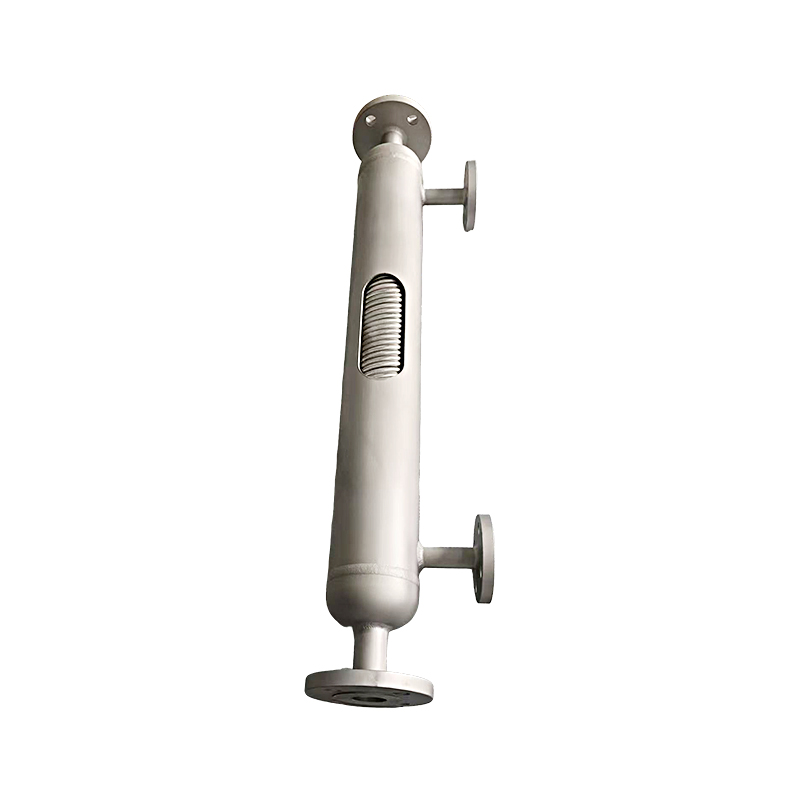
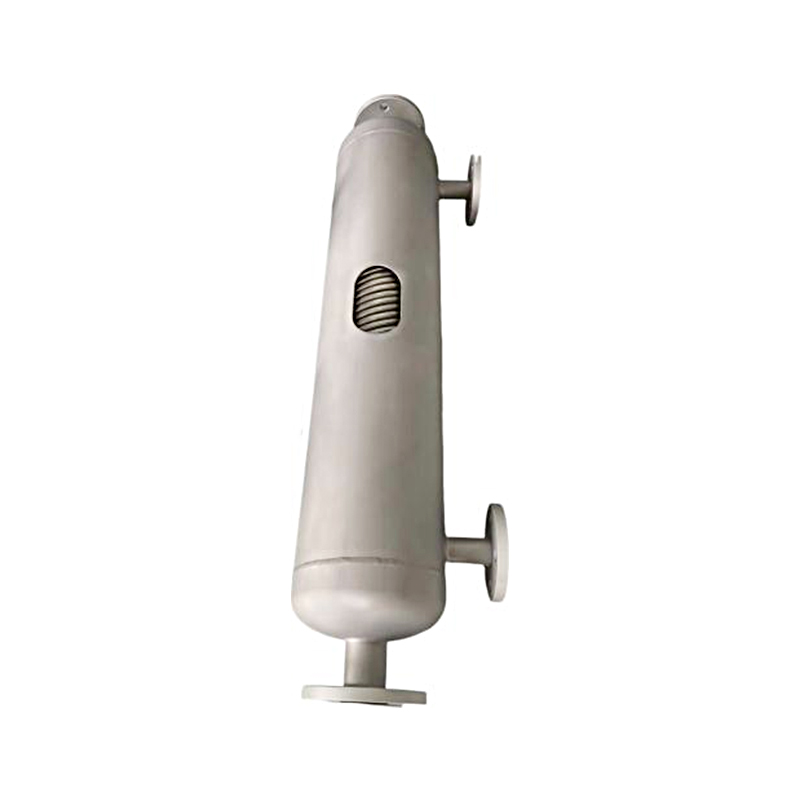
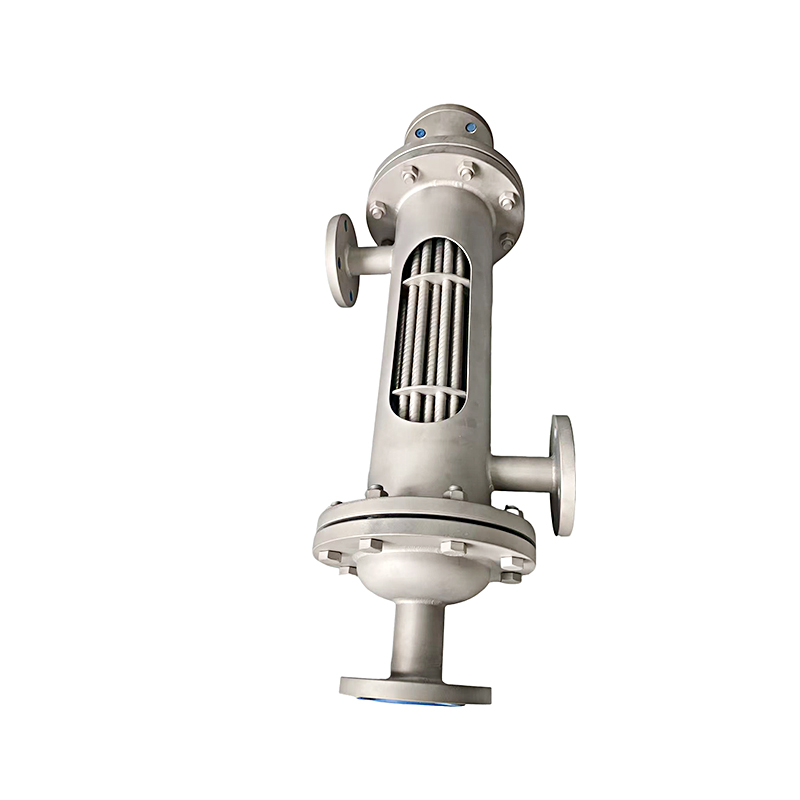
Innovative structural design can indirectly improve resistance to high-temperature oxidation. Helical winding structures, by extending the tube path and enhancing fluid turbulence, result in more uniform heat distribution, reducing accelerated oxidation caused by localized overheating. Simultaneously, self-supporting structures allow for free axial expansion and contraction of the tube bundle, reducing the damage to material properties caused by thermal stress. For example, three-dimensional helical flow channel design optimizes fluid distribution, improving heat exchange efficiency while avoiding high-temperature concentration areas, extending the overall lifespan of the equipment.
Manufacturing process control is a key aspect of ensuring material performance. High-precision welding technologies such as laser hybrid welding and electron beam welding can reduce the heat-affected zone, preventing material property degradation during welding. CNC spiral winding machines ensure tube bundle uniformity by precisely controlling the winding angle and tension, preventing localized overheating caused by structural defects. Furthermore, optimized heat treatment processes eliminate processing stress and improve the material's structural stability at high temperatures.
Long-term performance verification is the ultimate guarantee for material improvement. Stainless steel spiral wound tube heat exchangers, through accelerated aging tests simulating actual operating conditions, can evaluate the performance degradation patterns of materials under the combined effects of high-temperature oxidation, thermal cycling, and fluid erosion. For example, under supercritical CO₂ power generation conditions, thousands of hours of continuous operation testing are conducted on the improved material to verify its antioxidant layer integrity, heat transfer efficiency stability, and structural reliability, providing data support for engineering applications.