


How does a Corrosion-Resistant Silicon Carbide Heat Exchanger solve the dual challenges of wear and clogging when handling corrosive slurry media containing solid particles?
Release Time : 2026-02-27
In the demanding landscape of chemical processing, mining, and hydrometallurgy, few challenges are as destructive as handling corrosive slurries containing solid particles. Traditional heat exchangers made from graphite, stainless steel, or even high-end alloys often succumb rapidly to the dual assault of chemical erosion and mechanical abrasion. The result is frequent equipment failure, unplanned downtime, and compromised product purity. The Corrosion-Resistant Silicon Carbide heat exchanger has emerged as the definitive solution to this complex problem, offering a unique combination of material hardness, chemical inertness, and engineered flow dynamics that effectively neutralizes both wear and clogging.
The Material Fortress: Unmatched Hardness Against Abrasion
The primary defense of a silicon carbide heat exchanger against wear lies in the intrinsic properties of the SiC material itself. Silicon carbide is one of the hardest known materials, ranking just below diamond on the Mohs scale. When solid particles such as sand, catalyst residues, or mineral ores are suspended in a corrosive fluid, they act like microscopic sandpaper, relentlessly grinding away at softer metal or graphite surfaces. In contrast, the extreme hardness of SiC renders it virtually immune to this abrasive action. Even at high flow velocities required to keep solids in suspension, the SiC tubes and plates maintain their structural integrity. This hardness ensures that the wall thickness does not degrade over time, preventing the pinhole leaks that plague metallic exchangers and eliminating the risk of cross-contamination between the process fluid and the cooling medium.
Chemical Inertness: Eliminating Corrosion-Accelerated Wear
Wear in slurry applications is rarely purely mechanical; it is often synergistic, where corrosion weakens the material surface, making it easier for abrasive particles to scrape it away. This phenomenon, known as erosion-corrosion, is the Achilles' heel of traditional materials. Silicon carbide, however, possesses exceptional chemical inertness. It is resistant to almost all acids, alkalis, and organic solvents, with the notable exception of hydrofluoric acid and strong alkalis at very high temperatures. Because the material does not corrode, its surface remains smooth and hard throughout its lifecycle. There is no softening of the surface layer for particles to exploit, meaning the wear rate remains negligible even in the most aggressive chemical environments. This stability breaks the vicious cycle of erosion-corrosion, ensuring that the exchanger’s longevity is determined by mechanical limits rather than chemical degradation.
Engineered Flow Dynamics: Preventing Clogging and Fouling
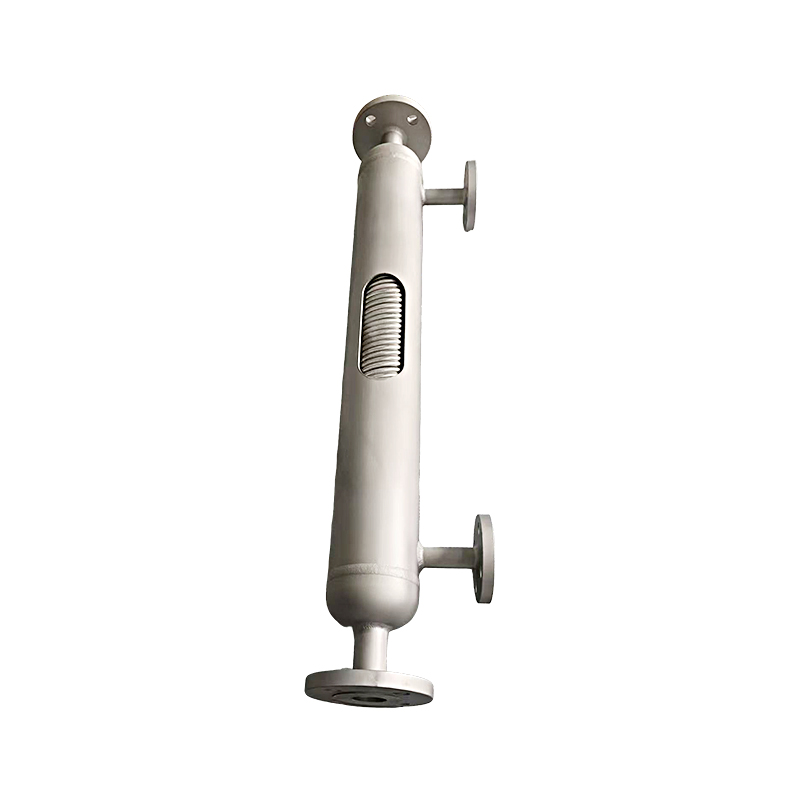
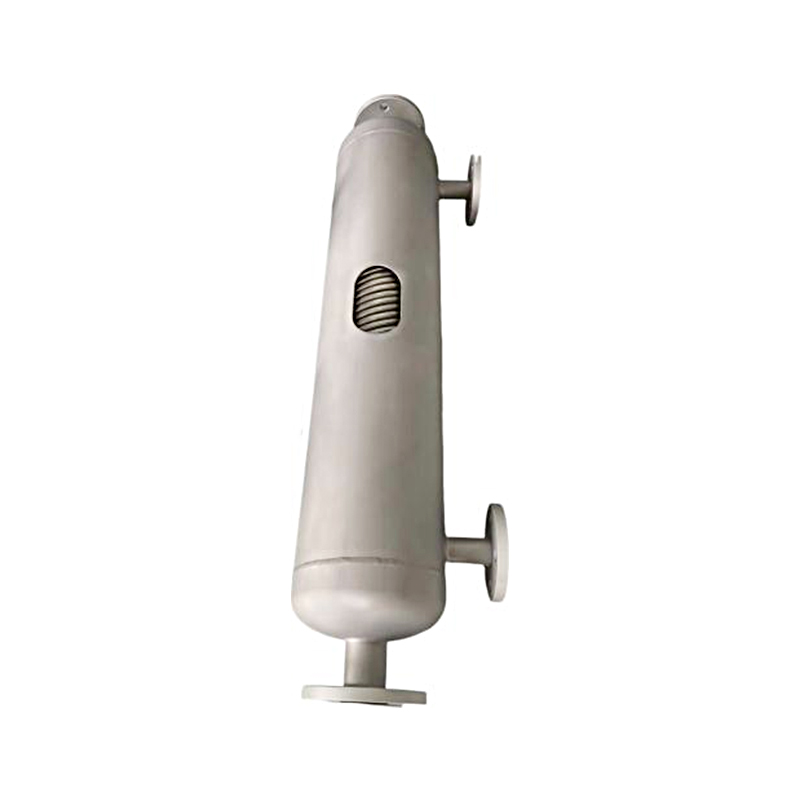
While material hardness addresses wear, preventing clogging requires intelligent hydraulic design. Slurries have a tendency to settle and accumulate in areas of low flow velocity, leading to blockages that reduce thermal efficiency and increase pressure drop. Silicon carbide heat exchangers are often designed with straight, smooth-bore tubes or optimized plate channels that minimize flow resistance and eliminate dead zones where solids could settle. The surface of sintered silicon carbide is inherently ultra-smooth, with a roughness significantly lower than that of metals or graphite. This low surface energy prevents particles from adhering to the walls, promoting a "self-cleaning" effect where the flow itself keeps the surfaces clear. Furthermore, the high thermal conductivity of SiC allows for precise temperature control, reducing the likelihood of thermal fouling or crystallization that often exacerbates clogging in slurry processes.
Robust Structural Design for High-Velocity Operation
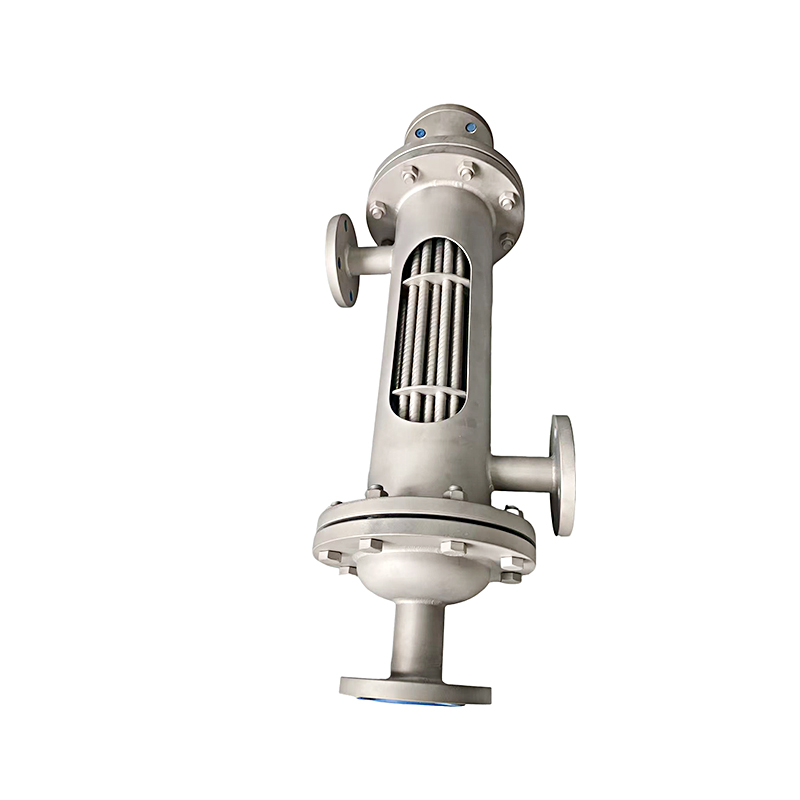
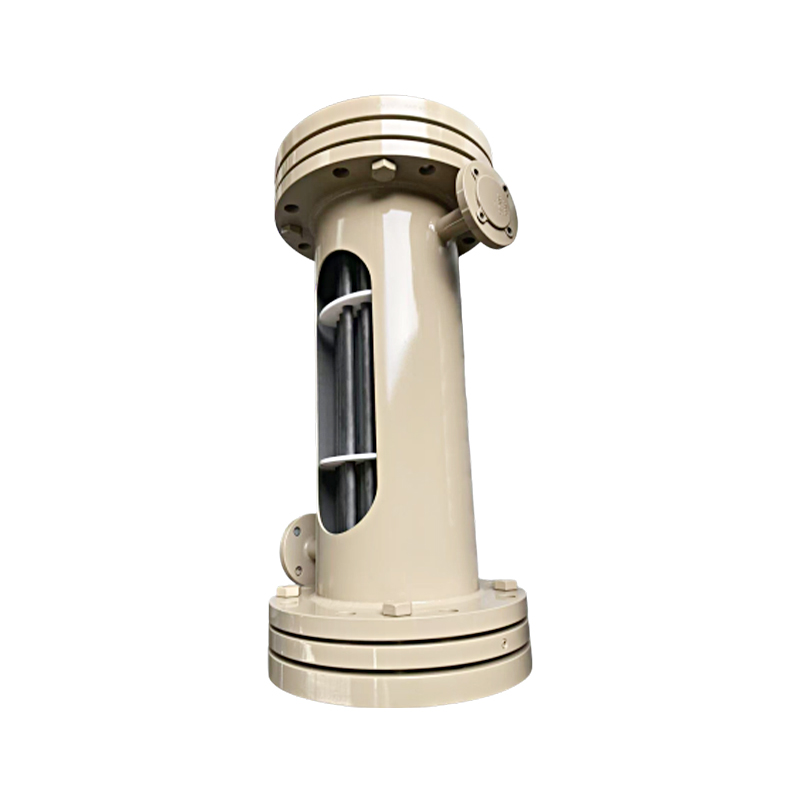
To effectively transport slurries without settling, high flow velocities are often necessary, which typically increases wear in conventional systems. However, because SiC can withstand these high velocities without eroding, engineers can design systems that operate at the optimal velocity for solids suspension without fear of damaging the equipment. The monolithic construction of many SiC heat exchangers, where the tube sheet and tubes are formed as a single piece or bonded with high-strength, corrosion-resistant joints, eliminates the weak points found in rolled or welded metal tubes. This robust construction ensures that the intense hydraulic forces generated by high-velocity slurry flow do not lead to vibration-induced fatigue or joint failure.
In conclusion, the Corrosion-Resistant Silicon Carbide heat exchanger represents a paradigm shift in handling abrasive and corrosive slurries. By leveraging the unparalleled hardness of SiC to defeat mechanical wear, its chemical inertness to stop corrosion-accelerated degradation, and its smooth, optimized geometry to prevent clogging, it solves the dual that has long plagued the industry. While the initial investment may be higher than traditional alternatives, the dramatic reduction in maintenance costs, the elimination of unplanned shutdowns, and the extended service life make it the most economically and operationally sound choice for severe slurry applications. In environments where failure is not an option, silicon carbide stands as the unyielding guardian of process efficiency.
The Material Fortress: Unmatched Hardness Against Abrasion
The primary defense of a silicon carbide heat exchanger against wear lies in the intrinsic properties of the SiC material itself. Silicon carbide is one of the hardest known materials, ranking just below diamond on the Mohs scale. When solid particles such as sand, catalyst residues, or mineral ores are suspended in a corrosive fluid, they act like microscopic sandpaper, relentlessly grinding away at softer metal or graphite surfaces. In contrast, the extreme hardness of SiC renders it virtually immune to this abrasive action. Even at high flow velocities required to keep solids in suspension, the SiC tubes and plates maintain their structural integrity. This hardness ensures that the wall thickness does not degrade over time, preventing the pinhole leaks that plague metallic exchangers and eliminating the risk of cross-contamination between the process fluid and the cooling medium.
Chemical Inertness: Eliminating Corrosion-Accelerated Wear
Wear in slurry applications is rarely purely mechanical; it is often synergistic, where corrosion weakens the material surface, making it easier for abrasive particles to scrape it away. This phenomenon, known as erosion-corrosion, is the Achilles' heel of traditional materials. Silicon carbide, however, possesses exceptional chemical inertness. It is resistant to almost all acids, alkalis, and organic solvents, with the notable exception of hydrofluoric acid and strong alkalis at very high temperatures. Because the material does not corrode, its surface remains smooth and hard throughout its lifecycle. There is no softening of the surface layer for particles to exploit, meaning the wear rate remains negligible even in the most aggressive chemical environments. This stability breaks the vicious cycle of erosion-corrosion, ensuring that the exchanger’s longevity is determined by mechanical limits rather than chemical degradation.
Engineered Flow Dynamics: Preventing Clogging and Fouling
While material hardness addresses wear, preventing clogging requires intelligent hydraulic design. Slurries have a tendency to settle and accumulate in areas of low flow velocity, leading to blockages that reduce thermal efficiency and increase pressure drop. Silicon carbide heat exchangers are often designed with straight, smooth-bore tubes or optimized plate channels that minimize flow resistance and eliminate dead zones where solids could settle. The surface of sintered silicon carbide is inherently ultra-smooth, with a roughness significantly lower than that of metals or graphite. This low surface energy prevents particles from adhering to the walls, promoting a "self-cleaning" effect where the flow itself keeps the surfaces clear. Furthermore, the high thermal conductivity of SiC allows for precise temperature control, reducing the likelihood of thermal fouling or crystallization that often exacerbates clogging in slurry processes.
Robust Structural Design for High-Velocity Operation
To effectively transport slurries without settling, high flow velocities are often necessary, which typically increases wear in conventional systems. However, because SiC can withstand these high velocities without eroding, engineers can design systems that operate at the optimal velocity for solids suspension without fear of damaging the equipment. The monolithic construction of many SiC heat exchangers, where the tube sheet and tubes are formed as a single piece or bonded with high-strength, corrosion-resistant joints, eliminates the weak points found in rolled or welded metal tubes. This robust construction ensures that the intense hydraulic forces generated by high-velocity slurry flow do not lead to vibration-induced fatigue or joint failure.
In conclusion, the Corrosion-Resistant Silicon Carbide heat exchanger represents a paradigm shift in handling abrasive and corrosive slurries. By leveraging the unparalleled hardness of SiC to defeat mechanical wear, its chemical inertness to stop corrosion-accelerated degradation, and its smooth, optimized geometry to prevent clogging, it solves the dual that has long plagued the industry. While the initial investment may be higher than traditional alternatives, the dramatic reduction in maintenance costs, the elimination of unplanned shutdowns, and the extended service life make it the most economically and operationally sound choice for severe slurry applications. In environments where failure is not an option, silicon carbide stands as the unyielding guardian of process efficiency.