


How do high-efficiency shell and tube heat exchangers achieve long lifespan and low maintenance?
Release Time : 2026-03-10
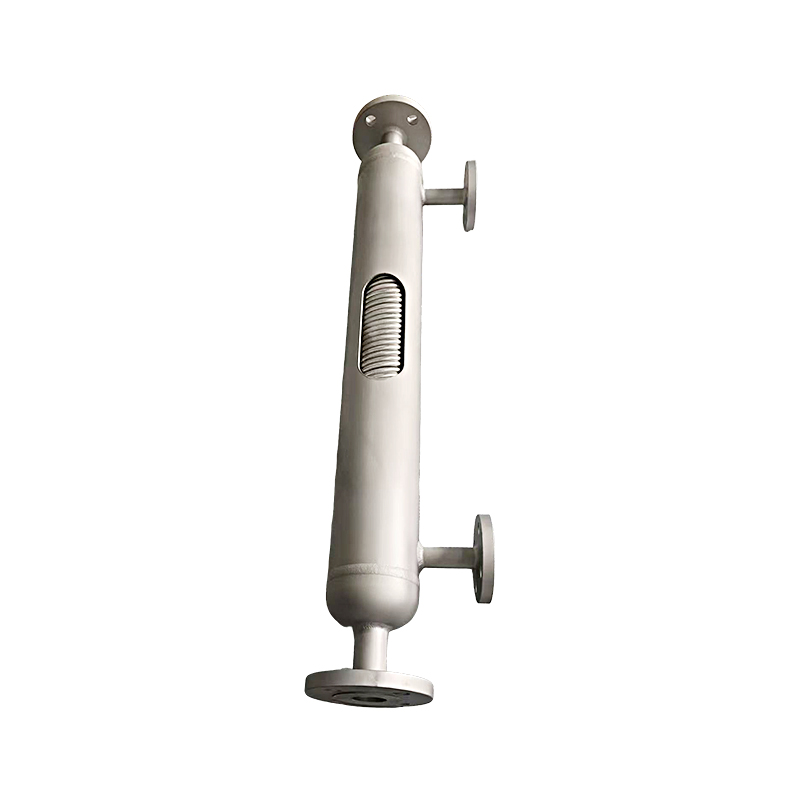
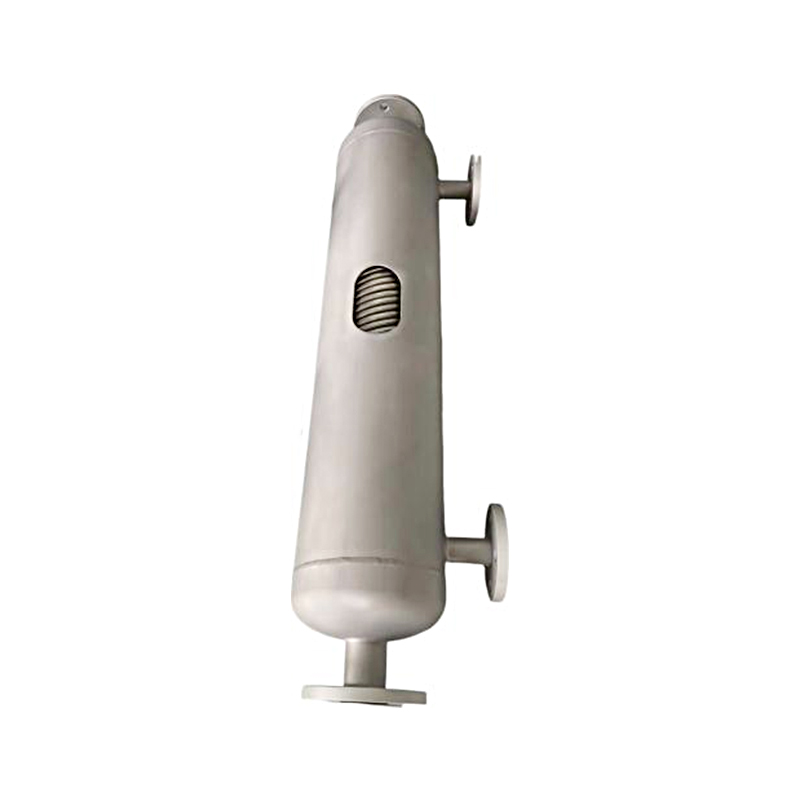
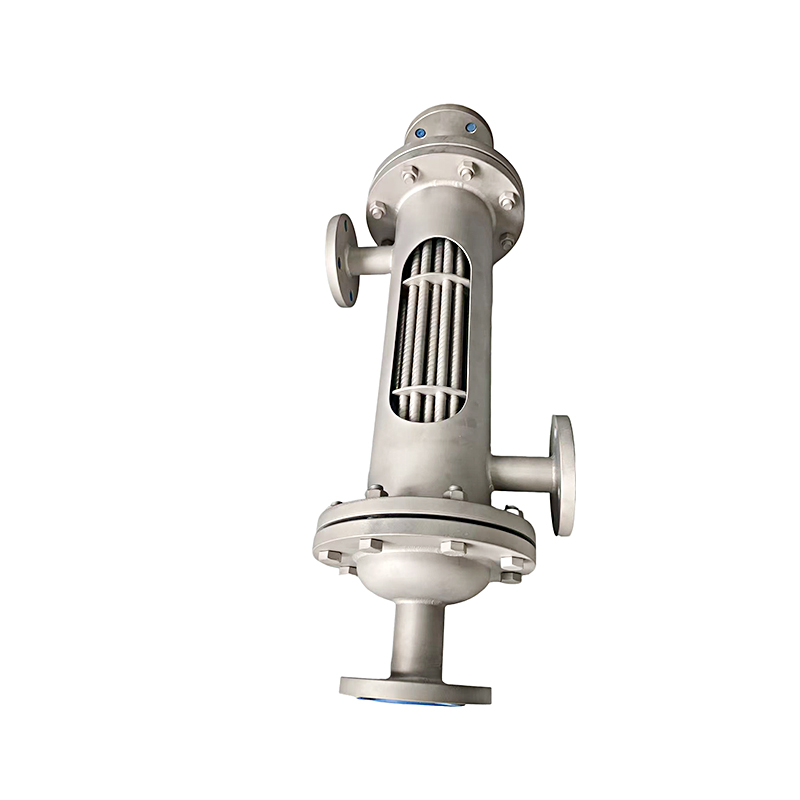
High-efficiency shell and tube heat exchangers demonstrate significant advantages in industrial heat exchange due to their innovative design and superior performance. Their core feature is a unique helical wound flexible tube bundle structure, which greatly improves heat exchange efficiency while significantly exceeding the size and space utilization of traditional heat exchangers. Their compact size means they occupy only one-fifth to one-tenth the space of traditional heat exchangers, saving valuable installation space and reducing construction and installation costs, providing a flexible and efficient heat exchange solution for industrial production.
The asymmetric flow design is key to the high-efficiency shell and tube heat exchanger's adaptability to complex operating conditions. Whether under vapor-liquid heat exchange conditions or facing process fluctuations, this design ensures smooth fluid flow and achieves high-efficiency heat exchange. The fluid is evenly distributed within the tube bundle, with no dead zones or stagnation areas, helping to avoid scaling problems and ensuring long-term stable operation. The self-cleaning characteristic makes the heat exchanger more flexible in maintenance cycles, while reducing production losses caused by cleaning and downtime.
The flexible tube bundle design not only improves heat exchange efficiency but also effectively eliminates pipe vibration and thermal stress. The tube bundle, within its helical winding structure, provides a natural buffer, absorbing fluid impact and thermal expansion changes, significantly reducing the risk of structural fatigue. The all-welded structure enhances the equipment's ability to withstand high-temperature and high-pressure environments, enabling it to adapt to complex industrial conditions and achieve long service life and reliability. This design concept, combined with advanced welding technology, ensures the equipment not only boasts superior performance but also high safety.
The patented tangential feed structure is one of the key innovations of the high-efficiency shell and tube heat exchanger. Tangential fluid enters the tube bundle and moves along a helical path, ensuring full contact between heat and material within the bundle, significantly improving heat exchange efficiency. Simultaneously, the tangential feed design promotes fluid self-cleaning properties, allowing the heat exchanger to operate stably for extended periods under various conditions without fouling. This structure provides crucial support for energy conservation, emission reduction, and production continuity, offering reliable technical assurance for industrial heat exchange.
The high-efficiency shell and tube heat exchanger demonstrates broad applicability. The high-efficiency shell and tube heat exchanger can be fully utilized in the chemical, petroleum, pharmaceutical, food processing, and energy industries due to its high efficiency, small size, and low maintenance. Its compact structure and efficient heat exchange characteristics not only improve production efficiency but also play a significant role in process optimization and energy conservation. Through proper selection and design, the high-efficiency shell and tube heat exchanger can meet various temperature, pressure, and flow requirements, achieving overall system optimization and cost control.
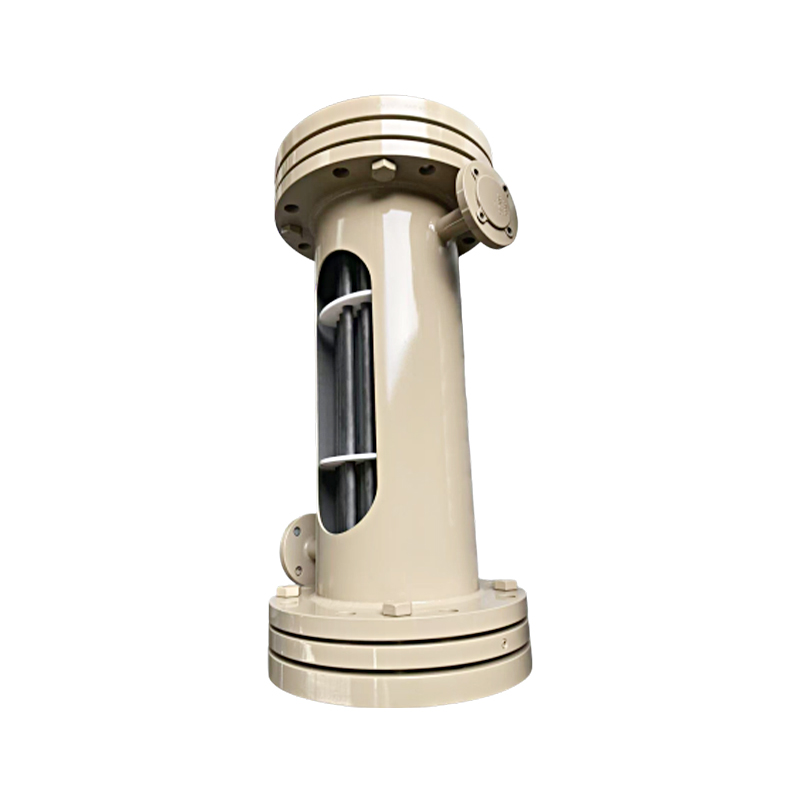
In terms of safety and maintainability, the high-efficiency shell and tube heat exchanger also has outstanding advantages. The baffle-free and dead-angle-free design reduces the risk of flow accumulation and blockage, while ensuring stable operation of the tube bundle and shell under high temperature and pressure. The flexible tube bundle buffer and all-welded structure reduce fatigue and stress concentration problems, maintaining high reliability during long-term operation. Low maintenance costs, easy cleaning, and simple operation make it an ideal choice for energy-efficient, reliable, and durable industrial applications.
Overall, the high-efficiency shell and tube heat exchanger, with its helical wound flexible tube bundle, asymmetric flow design, tangential feed structure, and all-welded pressure-resistant materials, achieves a perfect combination of high-efficiency heat exchange, long life, and low maintenance. It delivers superior performance under complex operating conditions while saving space, reducing costs, and improving energy efficiency, providing reliable support for modern industrial production and process optimization. Choosing a high-efficiency shell and tube heat exchanger means achieving the best balance in efficiency, safety, and long-term stability, providing a solid guarantee for the company's sustainable development and efficient operation.
The asymmetric flow design is key to the high-efficiency shell and tube heat exchanger's adaptability to complex operating conditions. Whether under vapor-liquid heat exchange conditions or facing process fluctuations, this design ensures smooth fluid flow and achieves high-efficiency heat exchange. The fluid is evenly distributed within the tube bundle, with no dead zones or stagnation areas, helping to avoid scaling problems and ensuring long-term stable operation. The self-cleaning characteristic makes the heat exchanger more flexible in maintenance cycles, while reducing production losses caused by cleaning and downtime.
The flexible tube bundle design not only improves heat exchange efficiency but also effectively eliminates pipe vibration and thermal stress. The tube bundle, within its helical winding structure, provides a natural buffer, absorbing fluid impact and thermal expansion changes, significantly reducing the risk of structural fatigue. The all-welded structure enhances the equipment's ability to withstand high-temperature and high-pressure environments, enabling it to adapt to complex industrial conditions and achieve long service life and reliability. This design concept, combined with advanced welding technology, ensures the equipment not only boasts superior performance but also high safety.
The patented tangential feed structure is one of the key innovations of the high-efficiency shell and tube heat exchanger. Tangential fluid enters the tube bundle and moves along a helical path, ensuring full contact between heat and material within the bundle, significantly improving heat exchange efficiency. Simultaneously, the tangential feed design promotes fluid self-cleaning properties, allowing the heat exchanger to operate stably for extended periods under various conditions without fouling. This structure provides crucial support for energy conservation, emission reduction, and production continuity, offering reliable technical assurance for industrial heat exchange.
The high-efficiency shell and tube heat exchanger demonstrates broad applicability. The high-efficiency shell and tube heat exchanger can be fully utilized in the chemical, petroleum, pharmaceutical, food processing, and energy industries due to its high efficiency, small size, and low maintenance. Its compact structure and efficient heat exchange characteristics not only improve production efficiency but also play a significant role in process optimization and energy conservation. Through proper selection and design, the high-efficiency shell and tube heat exchanger can meet various temperature, pressure, and flow requirements, achieving overall system optimization and cost control.
In terms of safety and maintainability, the high-efficiency shell and tube heat exchanger also has outstanding advantages. The baffle-free and dead-angle-free design reduces the risk of flow accumulation and blockage, while ensuring stable operation of the tube bundle and shell under high temperature and pressure. The flexible tube bundle buffer and all-welded structure reduce fatigue and stress concentration problems, maintaining high reliability during long-term operation. Low maintenance costs, easy cleaning, and simple operation make it an ideal choice for energy-efficient, reliable, and durable industrial applications.
Overall, the high-efficiency shell and tube heat exchanger, with its helical wound flexible tube bundle, asymmetric flow design, tangential feed structure, and all-welded pressure-resistant materials, achieves a perfect combination of high-efficiency heat exchange, long life, and low maintenance. It delivers superior performance under complex operating conditions while saving space, reducing costs, and improving energy efficiency, providing reliable support for modern industrial production and process optimization. Choosing a high-efficiency shell and tube heat exchanger means achieving the best balance in efficiency, safety, and long-term stability, providing a solid guarantee for the company's sustainable development and efficient operation.