


How Does the Stainless Steel Spiral Wound Tube Heat Exchanger Reshape the Pinnacle of Industrial Thermal Efficiency?
Release Time : 2026-03-19
In the complex industrial manufacturing systems, heat exchange technology has always played a core role in energy conversion and efficiency improvement. As a key device for heat transfer, the performance of the heat exchanger directly determines the energy consumption level and operational stability of the production process. Among many types of heat exchange equipment, the stainless steel spiral wound tube heat exchanger, with its unique structural design and superior material properties, is gradually becoming the preferred solution for industries such as chemical, petroleum, pharmaceutical, and power, leading a new round of revolution in industrial thermal efficiency technology.
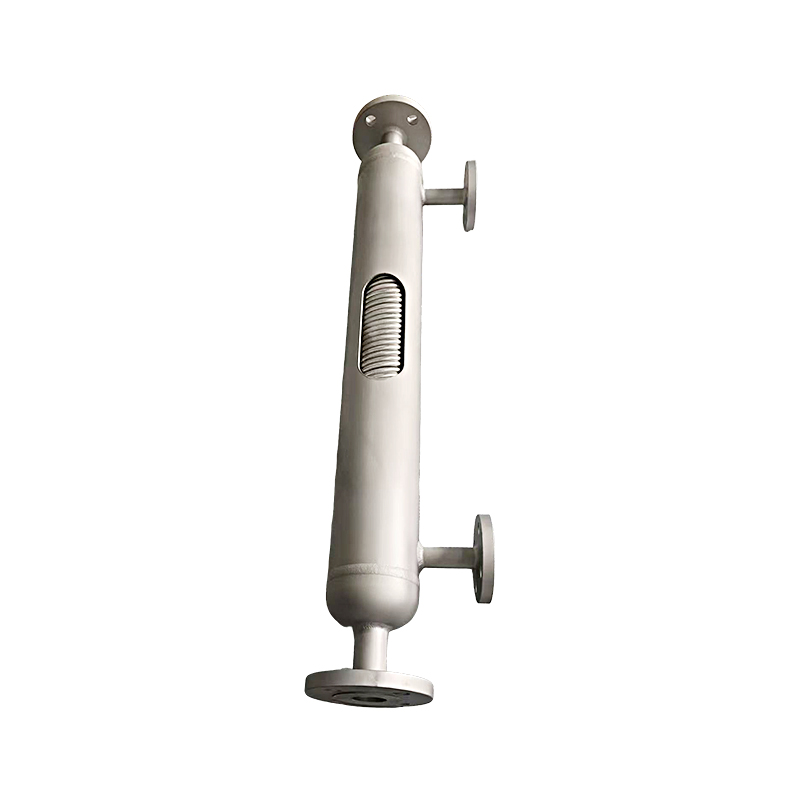
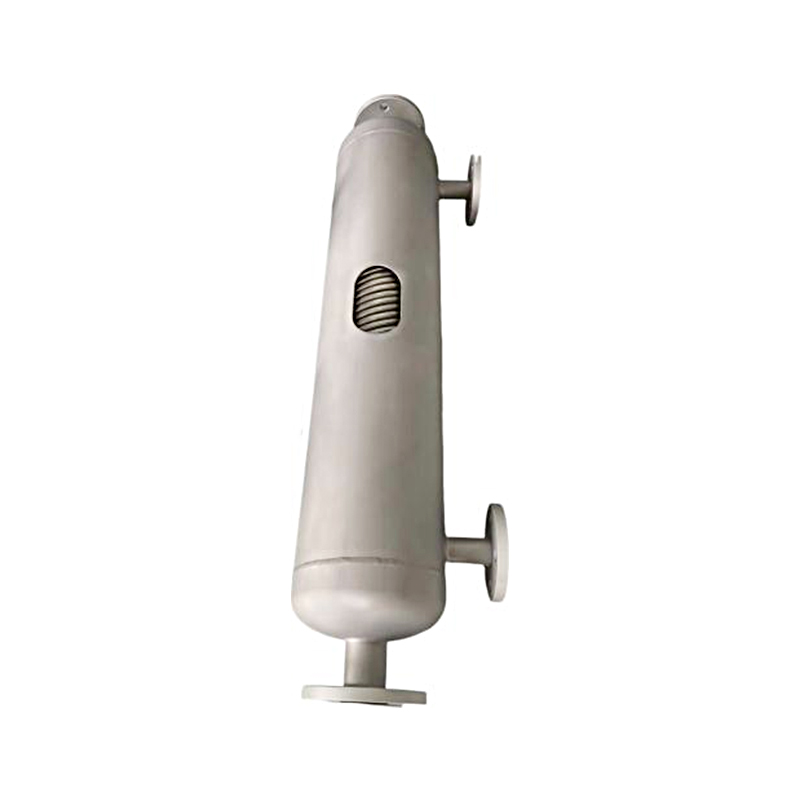
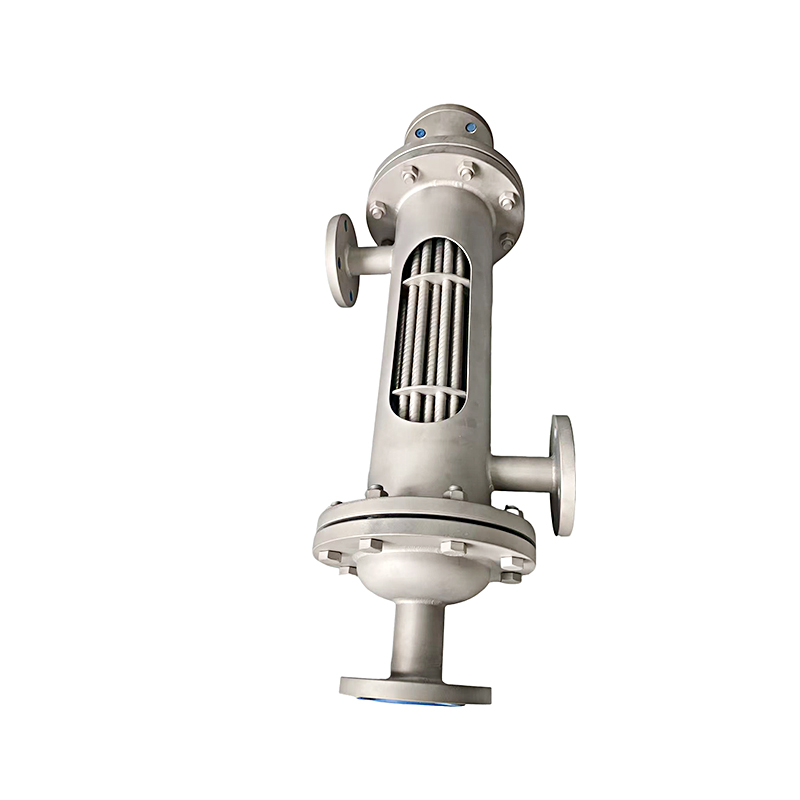
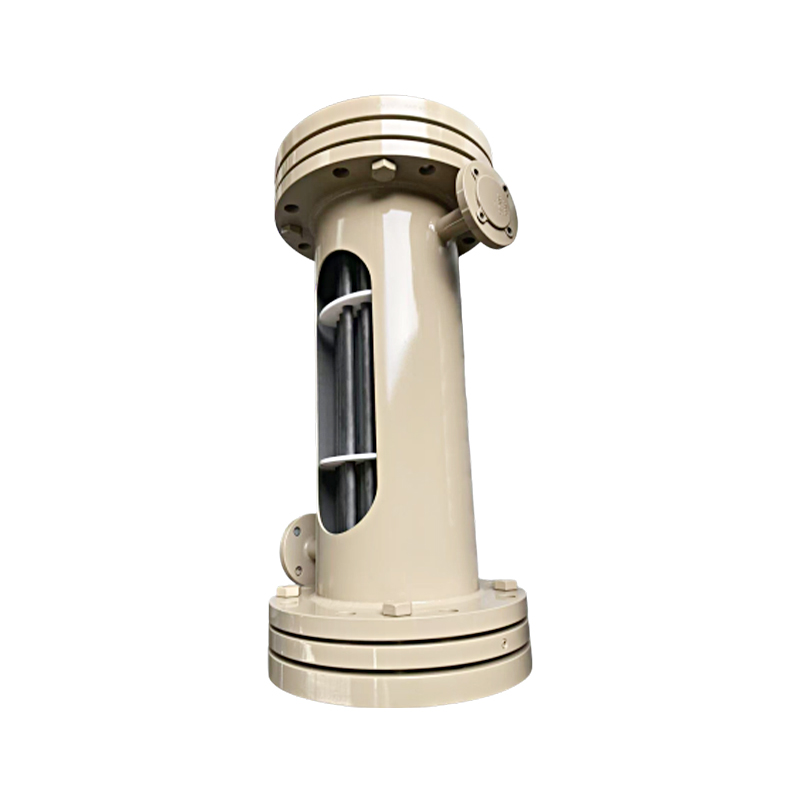
The core appeal of the stainless steel spiral wound tube heat exchanger stems from its ingenious spiral winding structure. This design breaks through the limitations of traditional straight tube or plate heat exchangers, tightly winding the heat exchange tubes with a specific pitch and diameter onto the central cylinder, forming a compact and highly efficient three-dimensional heat exchange space. When the fluid flows inside and outside the tubes, the spiral shape forces the fluid to generate strong rotational motion, thereby greatly enhancing the turbulence of the fluid. This high-intensity turbulence effectively disrupts the laminar boundary layer near the tube wall, significantly reducing thermal resistance and multiplying the heat transfer rate. Compared to traditional equipment, the spiral wound structure achieves a higher heat transfer coefficient for the same heat exchange area. This means a larger heat load can be handled within a smaller unit volume, greatly saving installation space and infrastructure costs.
Material selection is another crucial factor determining the lifespan and applicability of the heat exchanger. The main body of the equipment is made of high-quality stainless steel, giving it excellent corrosion resistance and high-temperature, high-pressure resistance. When facing complex operating conditions with acidic, alkaline, or corrosive media, the dense oxide film formed on the stainless steel surface effectively resists chemical corrosion, ensuring the long-term safety and reliability of the equipment. Furthermore, stainless steel possesses good mechanical strength and toughness, capable of withstanding drastic temperature changes and pressure fluctuations, preventing cracks or deformation caused by thermal stress concentration. This material advantage allows the spiral wound tube heat exchanger to adapt to various extreme environments, from low-temperature freezing to high-temperature steam, broadening its application areas and making it an ideal choice for handling harsh media.
In addition to its high heat transfer efficiency and durability, the stainless steel spiral wound tube heat exchanger also exhibits significant advantages in terms of structure and maintenance. Its compact spiral structure not only reduces the number of external connecting pipes and flanges, lowering the risk of leakage, but also makes the overall equipment lighter, facilitating transportation and installation. The unique flexible structural design gives the tube bundle a certain degree of self-compensation capability. When there is a large temperature difference between the tube side and the shell side, the spiral tube can freely expand and contract, automatically eliminating thermal stress without the need for additional complex expansion joint devices. This feature greatly simplifies the equipment structure and reduces the failure rate. Regarding cleaning and maintenance, the smooth spiral channels are not prone to scaling. Even after long-term operation, cleaning is required, and deposits can be easily removed through chemical circulation or mechanical flushing, maintaining sustained heat exchange efficiency and reducing total life-cycle operating costs.
In today's world, where energy conservation and environmental protection are increasingly becoming a global consensus, the application value of the stainless steel spiral wound tube heat exchanger is becoming increasingly prominent. By improving heat recovery efficiency, it can maximize the utilization of waste heat resources, reduce energy consumption and carbon emissions, and help enterprises achieve green production goals. In waste heat recovery systems, heat pump units, and precision temperature control processes, this equipment plays an irreplaceable role, converting waste heat energy into usable power or heat sources, creating significant economic and social benefits. Its high efficiency and energy-saving characteristics align with the mainstream trends of future industrial development, serving as crucial technological support for driving the manufacturing industry towards low-carbon and intelligent transformation.
Looking to the future, with continuous advancements in manufacturing processes and optimization of design theories, the stainless steel spiral wound tube heat exchanger will enjoy even broader development prospects. More precise winding technology, more advanced surface treatment processes, and intelligent operation monitoring systems will be widely applied, further enhancing its performance limits and automation levels. Regardless of how industrial scenarios change, its pursuit of high efficiency, durability, and compactness will remain constant. This equipment will continue to safeguard the thermal lifeline of industrial production with its superior performance, ensuring more precise and efficient energy transfer every time, contributing solidly to building a resource-saving and environmentally friendly society, and becoming an undisputed star product in the field of modern industrial heat exchange.
The core appeal of the stainless steel spiral wound tube heat exchanger stems from its ingenious spiral winding structure. This design breaks through the limitations of traditional straight tube or plate heat exchangers, tightly winding the heat exchange tubes with a specific pitch and diameter onto the central cylinder, forming a compact and highly efficient three-dimensional heat exchange space. When the fluid flows inside and outside the tubes, the spiral shape forces the fluid to generate strong rotational motion, thereby greatly enhancing the turbulence of the fluid. This high-intensity turbulence effectively disrupts the laminar boundary layer near the tube wall, significantly reducing thermal resistance and multiplying the heat transfer rate. Compared to traditional equipment, the spiral wound structure achieves a higher heat transfer coefficient for the same heat exchange area. This means a larger heat load can be handled within a smaller unit volume, greatly saving installation space and infrastructure costs.
Material selection is another crucial factor determining the lifespan and applicability of the heat exchanger. The main body of the equipment is made of high-quality stainless steel, giving it excellent corrosion resistance and high-temperature, high-pressure resistance. When facing complex operating conditions with acidic, alkaline, or corrosive media, the dense oxide film formed on the stainless steel surface effectively resists chemical corrosion, ensuring the long-term safety and reliability of the equipment. Furthermore, stainless steel possesses good mechanical strength and toughness, capable of withstanding drastic temperature changes and pressure fluctuations, preventing cracks or deformation caused by thermal stress concentration. This material advantage allows the spiral wound tube heat exchanger to adapt to various extreme environments, from low-temperature freezing to high-temperature steam, broadening its application areas and making it an ideal choice for handling harsh media.
In addition to its high heat transfer efficiency and durability, the stainless steel spiral wound tube heat exchanger also exhibits significant advantages in terms of structure and maintenance. Its compact spiral structure not only reduces the number of external connecting pipes and flanges, lowering the risk of leakage, but also makes the overall equipment lighter, facilitating transportation and installation. The unique flexible structural design gives the tube bundle a certain degree of self-compensation capability. When there is a large temperature difference between the tube side and the shell side, the spiral tube can freely expand and contract, automatically eliminating thermal stress without the need for additional complex expansion joint devices. This feature greatly simplifies the equipment structure and reduces the failure rate. Regarding cleaning and maintenance, the smooth spiral channels are not prone to scaling. Even after long-term operation, cleaning is required, and deposits can be easily removed through chemical circulation or mechanical flushing, maintaining sustained heat exchange efficiency and reducing total life-cycle operating costs.
In today's world, where energy conservation and environmental protection are increasingly becoming a global consensus, the application value of the stainless steel spiral wound tube heat exchanger is becoming increasingly prominent. By improving heat recovery efficiency, it can maximize the utilization of waste heat resources, reduce energy consumption and carbon emissions, and help enterprises achieve green production goals. In waste heat recovery systems, heat pump units, and precision temperature control processes, this equipment plays an irreplaceable role, converting waste heat energy into usable power or heat sources, creating significant economic and social benefits. Its high efficiency and energy-saving characteristics align with the mainstream trends of future industrial development, serving as crucial technological support for driving the manufacturing industry towards low-carbon and intelligent transformation.
Looking to the future, with continuous advancements in manufacturing processes and optimization of design theories, the stainless steel spiral wound tube heat exchanger will enjoy even broader development prospects. More precise winding technology, more advanced surface treatment processes, and intelligent operation monitoring systems will be widely applied, further enhancing its performance limits and automation levels. Regardless of how industrial scenarios change, its pursuit of high efficiency, durability, and compactness will remain constant. This equipment will continue to safeguard the thermal lifeline of industrial production with its superior performance, ensuring more precise and efficient energy transfer every time, contributing solidly to building a resource-saving and environmentally friendly society, and becoming an undisputed star product in the field of modern industrial heat exchange.