


What Are the Key Advantages of Stainless Steel Spiral Wound Tube Heat Exchangers?
Release Time : 2026-03-24
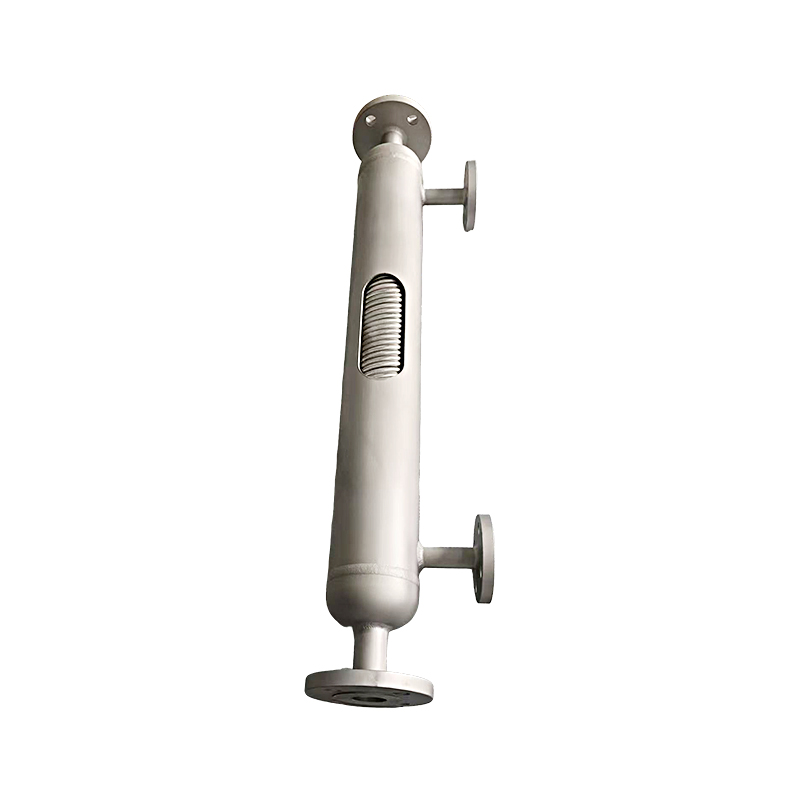
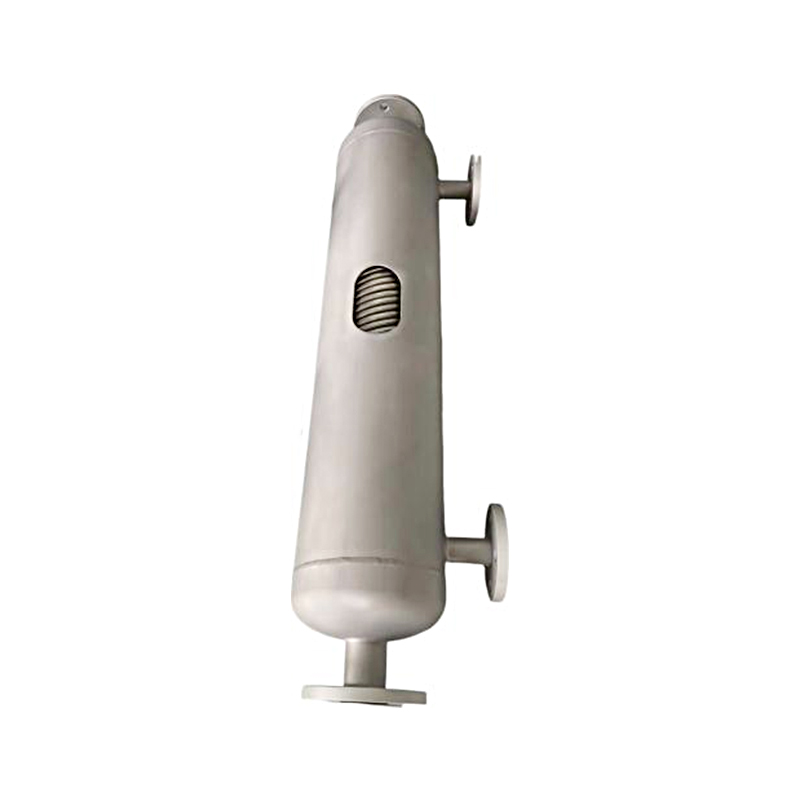
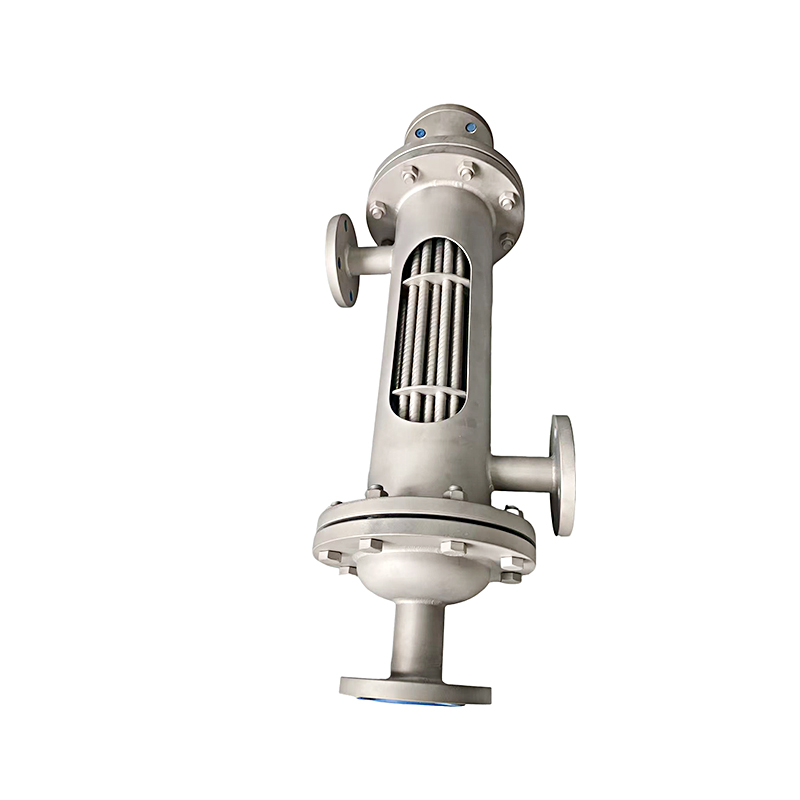
The stainless steel spiral wound tube heat exchanger represents a pinnacle of engineering efficiency in the realm of thermal management, particularly for industries demanding robust performance under extreme conditions. Unlike traditional shell-and-tube designs that rely on straight tubes and baffles, the spiral wound configuration coils concentric layers of tubing around a central core, creating a compact and highly effective heat transfer surface. This unique geometry, combined with the inherent properties of stainless steel, offers a suite of advantages that make it the preferred choice for high-pressure, high-temperature, and cryogenic applications where reliability and space efficiency are paramount. The fundamental design eliminates many of the flow restrictions and thermal stress points found in conventional exchangers, paving the way for superior operational stability.
One of the most significant advantages of this technology is its exceptional compactness and high surface-area-to-volume ratio. The spiral winding allows for a vast length of tubing to be packed into a relatively small cylindrical shell, drastically reducing the footprint of the equipment. This space-saving characteristic is crucial for offshore platforms, refineries, and chemical plants where real estate is at a premium and weight constraints are strict. Despite their smaller size, these units can handle heat duties comparable to much larger shell-and-tube exchangers. The dense packing of the spiral layers ensures that heat transfer occurs rapidly across the thin walls of the tubes, maximizing thermal efficiency without the need for bulky external structures or extensive piping networks.
The structural integrity of the spiral wound design makes it uniquely suited for high-pressure and high-temperature environments. The concentric winding of the tubes creates a self-supporting structure that can withstand immense internal and external pressures without the need for heavy support plates or complex baffle systems. In traditional exchangers, high pressure often necessitates thick shells and reinforced tube sheets, which add weight and cost. In contrast, the spiral configuration distributes mechanical stresses evenly across the wound layers, allowing the unit to operate safely at pressures that would cause failure in other designs. This resilience is further enhanced by the use of stainless steel, which maintains its strength and ductility even under severe thermal cycling and extreme temperature differentials.
Thermal efficiency is further amplified by the counter-current flow pattern inherent in the spiral wound design. As the two fluids flow in opposite directions through the alternating layers of the spiral, a consistent temperature gradient is maintained along the entire length of the exchanger. This maximizes the log mean temperature difference, driving more effective heat transfer compared to the mixed flow patterns often seen in baffled shell-and-tube units. Additionally, the curvature of the spiral tubes induces secondary flow effects, such as Dean vortices, which disrupt the boundary layer and enhance turbulence. This increased turbulence improves the heat transfer coefficient while simultaneously reducing the likelihood of fouling, as the swirling motion prevents particulates from settling on the tube surfaces.
The choice of stainless steel as the primary construction material adds another layer of advantage, particularly regarding corrosion resistance and hygiene. Stainless steel alloys, such as 304, 316, or duplex grades, offer excellent resistance to a wide range of corrosive chemicals, acids, and saline environments commonly encountered in petrochemical, pharmaceutical, and food processing industries. This durability ensures a long service life even when handling aggressive fluids, reducing the frequency of replacements and maintenance downtime. Furthermore, the smooth surface finish of stainless steel tubes minimizes friction losses and prevents bacterial growth, making these exchangers ideal for applications requiring strict sanitary standards. The material’s ability to withstand both high heat and corrosive attack makes it a versatile solution for diverse process streams.
Maintenance and cleanability are also streamlined in spiral wound units due to their design simplicity and lack of dead zones. Traditional exchangers often suffer from stagnant areas behind baffles where debris accumulates, leading to localized corrosion and reduced efficiency. The continuous spiral path of the fluid in these advanced exchangers ensures uniform flow velocity, minimizing stagnation and making mechanical or chemical cleaning more effective. In many cases, the compact design allows for easier removal and inspection of the bundle compared to the massive assemblies of shell-and-tube units. This ease of maintenance translates to lower operational costs and higher availability for the plant, ensuring continuous production without frequent interruptions for cleaning or repairs.
Finally, the versatility of stainless steel spiral wound heat exchangers extends to cryogenic applications, where they excel in liquefying gases such as natural gas, nitrogen, and oxygen. The ability of the spiral design to accommodate large thermal contractions without inducing excessive stress is critical in these low-temperature scenarios. As materials contract in the cold, the flexible nature of the wound layers absorbs the movement, preventing leaks or structural failures that rigid designs might suffer. Combined with the high efficiency required to achieve the extreme temperature drops needed for liquefaction, these exchangers provide a reliable and energy-efficient solution for the growing global demand for liquefied natural gas and industrial gases. Their robust performance in such demanding conditions underscores their status as a critical component in modern industrial infrastructure.
One of the most significant advantages of this technology is its exceptional compactness and high surface-area-to-volume ratio. The spiral winding allows for a vast length of tubing to be packed into a relatively small cylindrical shell, drastically reducing the footprint of the equipment. This space-saving characteristic is crucial for offshore platforms, refineries, and chemical plants where real estate is at a premium and weight constraints are strict. Despite their smaller size, these units can handle heat duties comparable to much larger shell-and-tube exchangers. The dense packing of the spiral layers ensures that heat transfer occurs rapidly across the thin walls of the tubes, maximizing thermal efficiency without the need for bulky external structures or extensive piping networks.
The structural integrity of the spiral wound design makes it uniquely suited for high-pressure and high-temperature environments. The concentric winding of the tubes creates a self-supporting structure that can withstand immense internal and external pressures without the need for heavy support plates or complex baffle systems. In traditional exchangers, high pressure often necessitates thick shells and reinforced tube sheets, which add weight and cost. In contrast, the spiral configuration distributes mechanical stresses evenly across the wound layers, allowing the unit to operate safely at pressures that would cause failure in other designs. This resilience is further enhanced by the use of stainless steel, which maintains its strength and ductility even under severe thermal cycling and extreme temperature differentials.
Thermal efficiency is further amplified by the counter-current flow pattern inherent in the spiral wound design. As the two fluids flow in opposite directions through the alternating layers of the spiral, a consistent temperature gradient is maintained along the entire length of the exchanger. This maximizes the log mean temperature difference, driving more effective heat transfer compared to the mixed flow patterns often seen in baffled shell-and-tube units. Additionally, the curvature of the spiral tubes induces secondary flow effects, such as Dean vortices, which disrupt the boundary layer and enhance turbulence. This increased turbulence improves the heat transfer coefficient while simultaneously reducing the likelihood of fouling, as the swirling motion prevents particulates from settling on the tube surfaces.
The choice of stainless steel as the primary construction material adds another layer of advantage, particularly regarding corrosion resistance and hygiene. Stainless steel alloys, such as 304, 316, or duplex grades, offer excellent resistance to a wide range of corrosive chemicals, acids, and saline environments commonly encountered in petrochemical, pharmaceutical, and food processing industries. This durability ensures a long service life even when handling aggressive fluids, reducing the frequency of replacements and maintenance downtime. Furthermore, the smooth surface finish of stainless steel tubes minimizes friction losses and prevents bacterial growth, making these exchangers ideal for applications requiring strict sanitary standards. The material’s ability to withstand both high heat and corrosive attack makes it a versatile solution for diverse process streams.
Maintenance and cleanability are also streamlined in spiral wound units due to their design simplicity and lack of dead zones. Traditional exchangers often suffer from stagnant areas behind baffles where debris accumulates, leading to localized corrosion and reduced efficiency. The continuous spiral path of the fluid in these advanced exchangers ensures uniform flow velocity, minimizing stagnation and making mechanical or chemical cleaning more effective. In many cases, the compact design allows for easier removal and inspection of the bundle compared to the massive assemblies of shell-and-tube units. This ease of maintenance translates to lower operational costs and higher availability for the plant, ensuring continuous production without frequent interruptions for cleaning or repairs.
Finally, the versatility of stainless steel spiral wound heat exchangers extends to cryogenic applications, where they excel in liquefying gases such as natural gas, nitrogen, and oxygen. The ability of the spiral design to accommodate large thermal contractions without inducing excessive stress is critical in these low-temperature scenarios. As materials contract in the cold, the flexible nature of the wound layers absorbs the movement, preventing leaks or structural failures that rigid designs might suffer. Combined with the high efficiency required to achieve the extreme temperature drops needed for liquefaction, these exchangers provide a reliable and energy-efficient solution for the growing global demand for liquefied natural gas and industrial gases. Their robust performance in such demanding conditions underscores their status as a critical component in modern industrial infrastructure.