


How does a corrosion-resistant silicon carbide heat exchanger overcome the challenges of high-temperature, highly corrosive environments?
Release Time : 2026-04-14
In core production processes in industries such as chemical engineering, metallurgy, and new energy, heat exchange equipment constantly faces the dual challenges of high temperatures and strong corrosion. Traditional metal heat exchangers, operating for extended periods in concentrated acids, strong alkalis, or media containing solid particles, often require frequent replacement due to corrosion, perforation, and wear deformation. This not only increases maintenance costs but can also lead to production interruptions or even safety accidents. The emergence of corrosion-resistant silicon carbide heat exchangers breaks this predicament with the inherent superior performance of the material, becoming an irreplaceable core piece of equipment under extreme conditions, providing a double line of defense for safety and efficiency in industrial production.
The inherent advantages of silicon carbide material are the foundation for this heat exchanger's ability to withstand harsh environments. As an advanced engineering ceramic hailed as the "king of ceramics," silicon carbide possesses near-perfect chemical inertness, exhibiting stable resistance to strong acids such as sulfuric acid, hydrochloric acid, and nitric acid, as well as corrosive media such as strong alkalis and organic solvents. Even under high-temperature environments, it maintains structural integrity and does not experience performance degradation due to chemical corrosion. Its hardness is second only to diamond, far exceeding that of all metallic materials. When subjected to slurries containing solid particles, it effectively resists wear, preventing scaling or perforation of the heat exchange surface, completely solving the problem of easy clogging and damage in traditional equipment with impurities. This material's inherent corrosion and wear resistance allows the heat exchanger to achieve long-term stable operation in extreme scenarios such as molybdenum sulfate production, bromine purification, and waste acid recovery, significantly extending equipment lifespan.
High-temperature stability and efficient heat transfer capabilities further enhance its industrial application value. Silicon carbide has an extremely high melting point and maintains high strength in oxidizing or inert atmospheres. Even when exposed to high-temperature flue gas in industrial furnaces or high-temperature media in process flows, it will not deform, oxidize, or experience performance degradation. Simultaneously, its thermal conductivity far exceeds that of traditional metallic materials such as stainless steel, enabling rapid heat transfer between hot and cold media, reducing energy loss, and improving heat exchange efficiency. This dual characteristic of "high temperature resistance + high thermal conductivity" allows the heat exchanger to withstand continuous high-temperature conditions while ensuring efficient heat transfer. It fully leverages its energy-saving and consumption-reducing properties in waste heat recovery and process temperature control, helping companies lower energy costs.
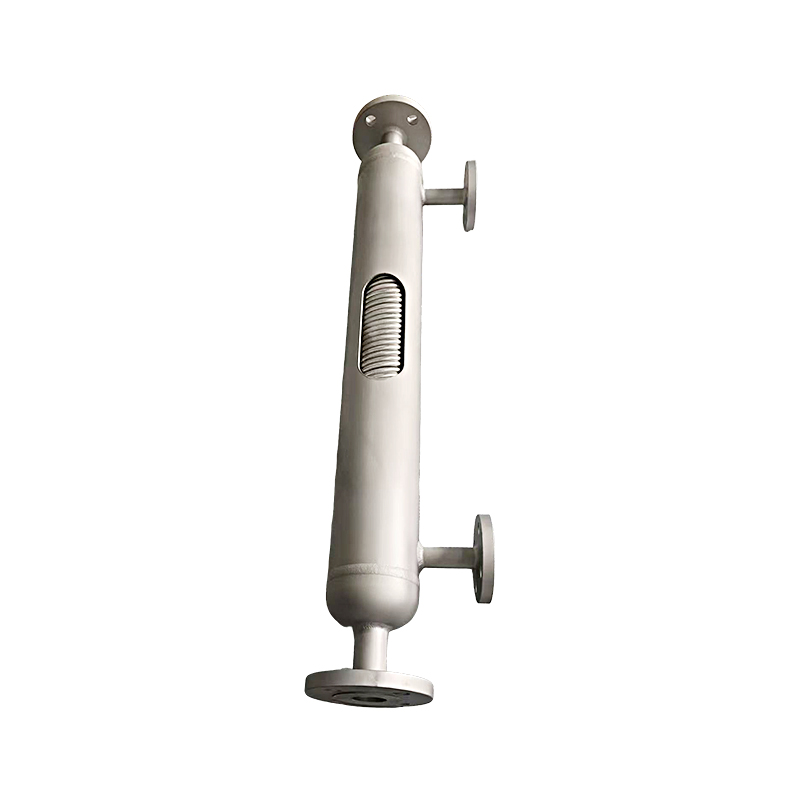
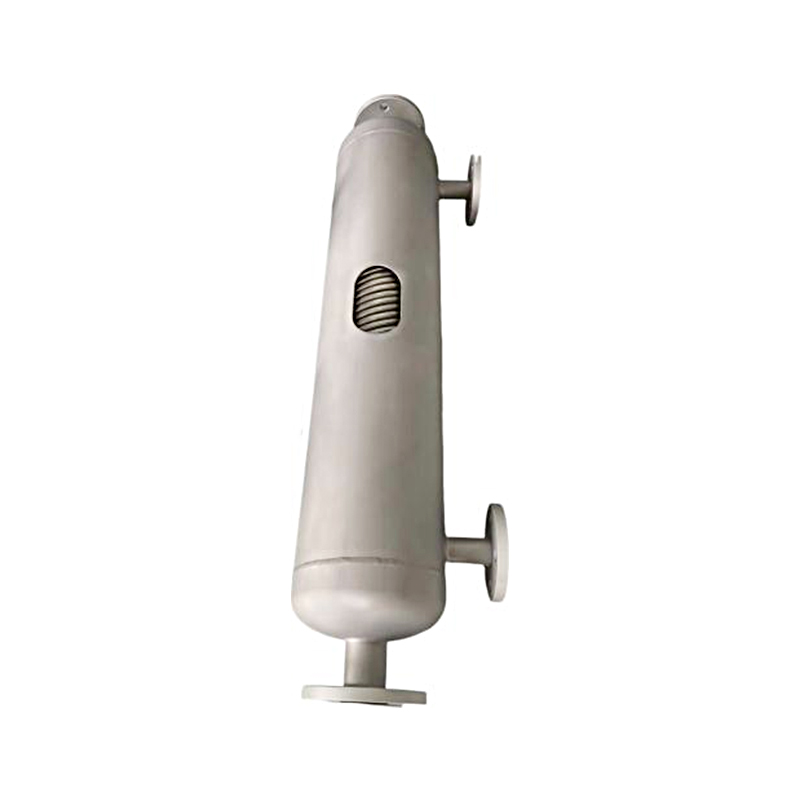
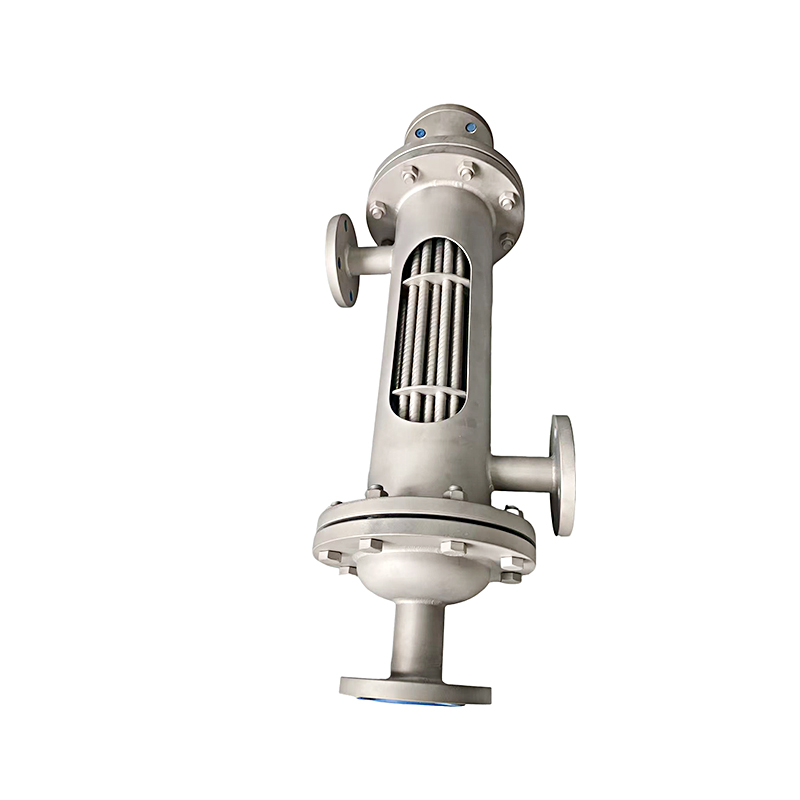
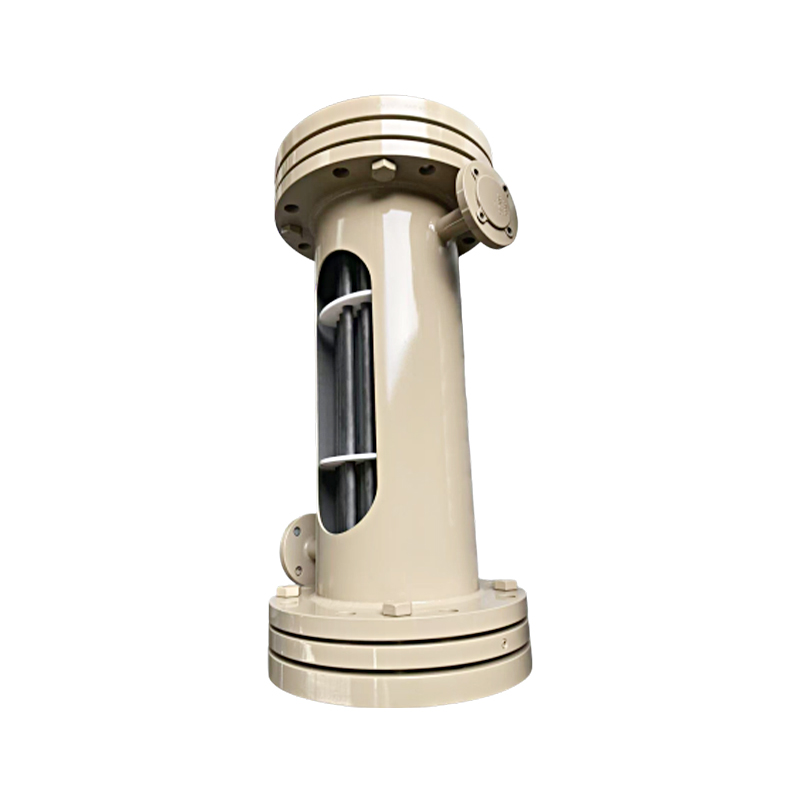
The user-friendly and reliable structural design ensures long-term stable operation. Silicon carbide heat exchangers typically employ shell-and-tube or modular structures. The heat exchange tubes and tube sheet are connected by precision sealing components, which can accommodate stress caused by thermal expansion and contraction, preventing ceramic material cracking due to thermal shock, and ensuring the sealing of the tube side and shell side to prevent media leakage. Some models use a double tube sheet design with a leak detection hole in the middle, allowing for timely detection of leaks on one side and preventing safety accidents caused by mixing different media. Furthermore, the equipment supports horizontal or vertical installation, and the tube side and shell side can be flexibly selected with corrosion-resistant materials according to process requirements. Whether corrosive media flow through the tube side or shell side, precise adaptation can be achieved to meet the personalized needs of different production scenarios.
From sulfuric acid cooling to high-temperature flue gas waste heat recovery, from slurry heat exchange to high-purity medium temperature control, the corrosion-resistant silicon carbide heat exchanger, with its material, performance, and structural advantages, has become a key piece of equipment in industrial production for handling extreme operating conditions. It not only solves the pain points of traditional heat exchangers—poor corrosion resistance and short service life—but also provides strong support for enterprises to achieve continuous and stable production and reduce total life-cycle costs through its high efficiency, energy saving, and easy maintenance. In today's era of continuous industrial technological advancement, this heat exchanger, with its irreplaceable role, is propelling heat exchange technology under high-temperature and highly corrosive conditions to new heights.
The inherent advantages of silicon carbide material are the foundation for this heat exchanger's ability to withstand harsh environments. As an advanced engineering ceramic hailed as the "king of ceramics," silicon carbide possesses near-perfect chemical inertness, exhibiting stable resistance to strong acids such as sulfuric acid, hydrochloric acid, and nitric acid, as well as corrosive media such as strong alkalis and organic solvents. Even under high-temperature environments, it maintains structural integrity and does not experience performance degradation due to chemical corrosion. Its hardness is second only to diamond, far exceeding that of all metallic materials. When subjected to slurries containing solid particles, it effectively resists wear, preventing scaling or perforation of the heat exchange surface, completely solving the problem of easy clogging and damage in traditional equipment with impurities. This material's inherent corrosion and wear resistance allows the heat exchanger to achieve long-term stable operation in extreme scenarios such as molybdenum sulfate production, bromine purification, and waste acid recovery, significantly extending equipment lifespan.
High-temperature stability and efficient heat transfer capabilities further enhance its industrial application value. Silicon carbide has an extremely high melting point and maintains high strength in oxidizing or inert atmospheres. Even when exposed to high-temperature flue gas in industrial furnaces or high-temperature media in process flows, it will not deform, oxidize, or experience performance degradation. Simultaneously, its thermal conductivity far exceeds that of traditional metallic materials such as stainless steel, enabling rapid heat transfer between hot and cold media, reducing energy loss, and improving heat exchange efficiency. This dual characteristic of "high temperature resistance + high thermal conductivity" allows the heat exchanger to withstand continuous high-temperature conditions while ensuring efficient heat transfer. It fully leverages its energy-saving and consumption-reducing properties in waste heat recovery and process temperature control, helping companies lower energy costs.
The user-friendly and reliable structural design ensures long-term stable operation. Silicon carbide heat exchangers typically employ shell-and-tube or modular structures. The heat exchange tubes and tube sheet are connected by precision sealing components, which can accommodate stress caused by thermal expansion and contraction, preventing ceramic material cracking due to thermal shock, and ensuring the sealing of the tube side and shell side to prevent media leakage. Some models use a double tube sheet design with a leak detection hole in the middle, allowing for timely detection of leaks on one side and preventing safety accidents caused by mixing different media. Furthermore, the equipment supports horizontal or vertical installation, and the tube side and shell side can be flexibly selected with corrosion-resistant materials according to process requirements. Whether corrosive media flow through the tube side or shell side, precise adaptation can be achieved to meet the personalized needs of different production scenarios.
From sulfuric acid cooling to high-temperature flue gas waste heat recovery, from slurry heat exchange to high-purity medium temperature control, the corrosion-resistant silicon carbide heat exchanger, with its material, performance, and structural advantages, has become a key piece of equipment in industrial production for handling extreme operating conditions. It not only solves the pain points of traditional heat exchangers—poor corrosion resistance and short service life—but also provides strong support for enterprises to achieve continuous and stable production and reduce total life-cycle costs through its high efficiency, energy saving, and easy maintenance. In today's era of continuous industrial technological advancement, this heat exchanger, with its irreplaceable role, is propelling heat exchange technology under high-temperature and highly corrosive conditions to new heights.