


How Do Corrosion-Resistant Silicon Carbide Heat Exchangers Handle Thermal Shock?
Release Time : 2026-04-20
The management of thermal energy in extreme industrial environments requires materials that defy the limitations of traditional metallurgy. In sectors such as chemical processing, petrochemical refining, and metallurgy, heat exchangers are frequently subjected to rapid and drastic temperature fluctuations that would cause standard metals to warp, crack, or fail catastrophically. The corrosion-resistant silicon carbide heat exchanger has emerged as a critical solution to this challenge. Its ability to handle thermal shock is not merely a secondary feature but a fundamental characteristic derived from its unique atomic structure and physical properties. This capability allows industrial processes to operate with greater intensity and efficiency, facilitating rapid heating and cooling cycles that are essential for modern manufacturing.
Thermal shock occurs when a material is subjected to a sudden change in temperature, creating a temperature gradient across its structure. This gradient causes differential expansion or contraction, which induces internal stress. If this thermal stress exceeds the material's mechanical strength, the result is fracture. Silicon carbide (SiC) possesses a distinct combination of properties that makes it exceptionally resistant to this phenomenon. The primary factor is its remarkably low coefficient of thermal expansion. Unlike metals, which expand significantly when heated, silicon carbide remains dimensionally stable. This stability means that even when one side of a heat exchanger tube is exposed to scorching gases and the other to cooling fluids, the material does not distort or stretch enough to generate destructive stress levels.
Complementing its dimensional stability is the exceptionally high thermal conductivity of silicon carbide. In the context of heat exchange, this property is vital for mitigating thermal gradients. High thermal conductivity allows heat to dissipate rapidly through the material, equalizing the temperature difference between the hot and cold surfaces almost instantaneously. By smoothing out these temperature spikes, the material prevents the formation of localized hot spots that typically act as the initiation points for cracks. This rapid heat transfer capability means that silicon carbide heat exchangers can withstand temperature changes at rates exceeding 300°C per minute, a feat that would be impossible for graphite or stainless steel counterparts.
The mechanical strength of silicon carbide further fortifies it against thermal stress. Even at elevated temperatures where metals begin to soften and lose their structural integrity, silicon carbide maintains its hardness and modulus of elasticity. This high-temperature strength ensures that the material can withstand the compressive and tensile forces generated during thermal cycling. Furthermore, the microstructure of sintered silicon carbide is engineered to be dense and free of the porosity often found in graphite. This density not only prevents fluid permeation but also eliminates internal voids where stress fractures could propagate. The result is a component that behaves with a level of predictability and robustness that allows engineers to design more aggressive and efficient thermal processes.
In practical applications, such as the cooling of corrosive acids or the recovery of waste heat from flue gases, these properties translate into operational resilience. For instance, in the production of sulfuric acid or the treatment of hydrofluoric acid, the process streams often undergo rapid phase changes or temperature drops. A metal heat exchanger in this environment would suffer from thermal fatigue, leading to pinhole leaks and eventual failure. A silicon carbide unit, however, absorbs these shocks without degradation. The material's chemical inertness ensures that this resistance to thermal shock is not compromised by corrosion, a common issue where corrosive attack accelerates thermal fatigue in metals.
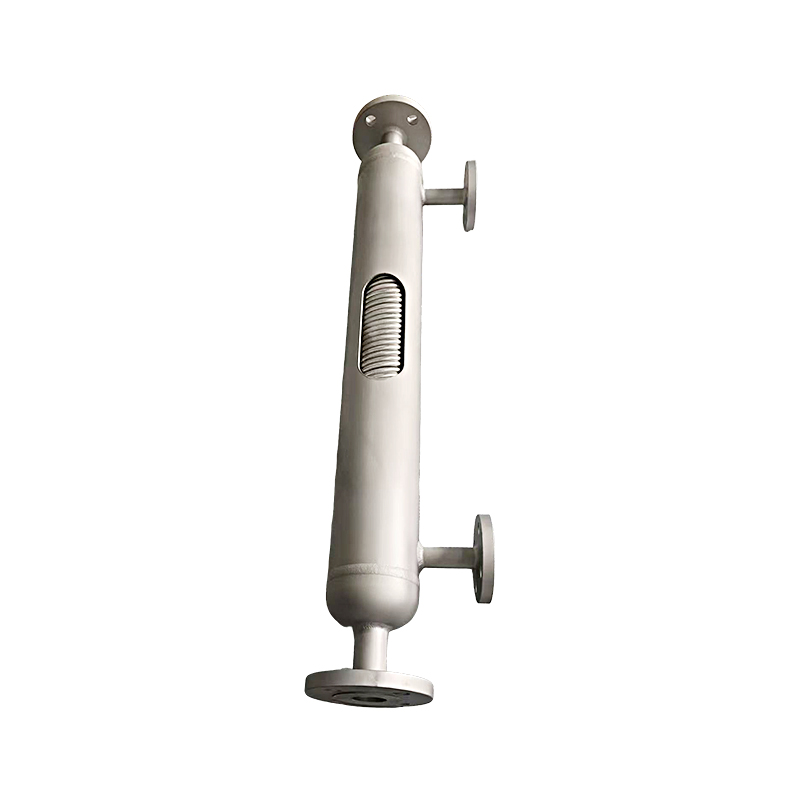
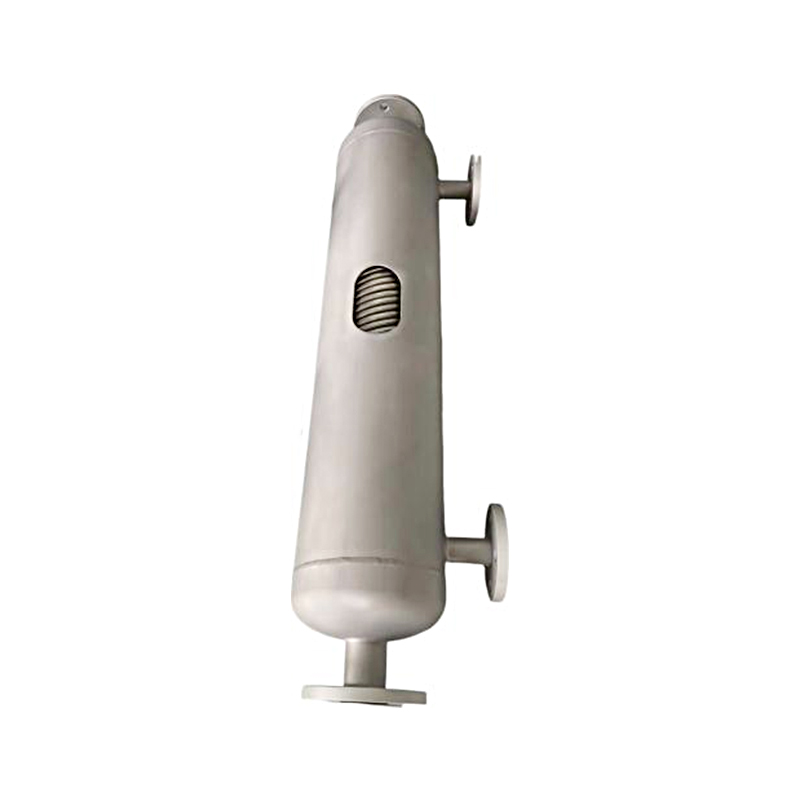
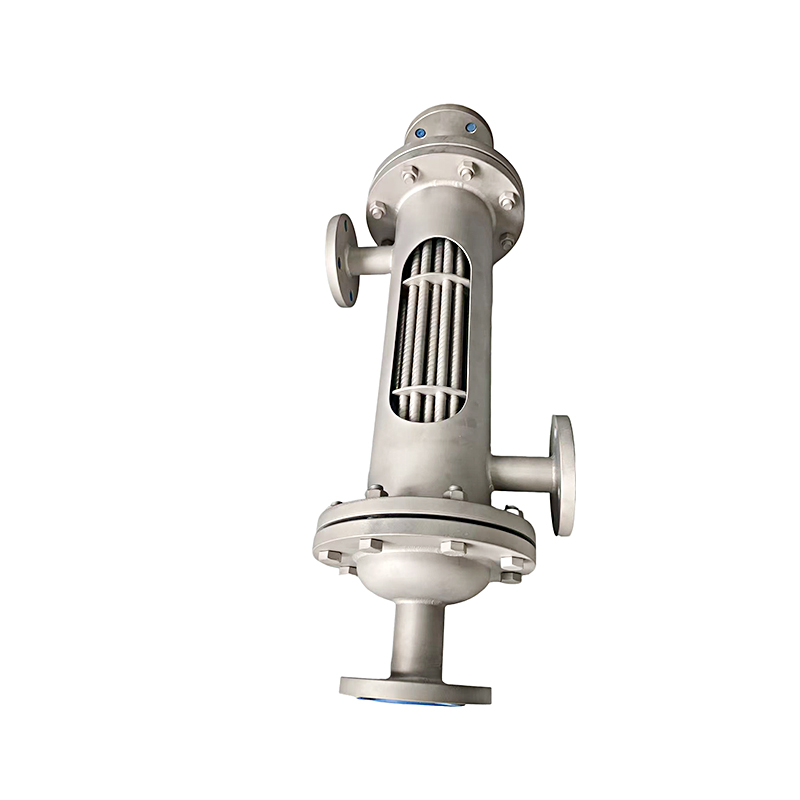
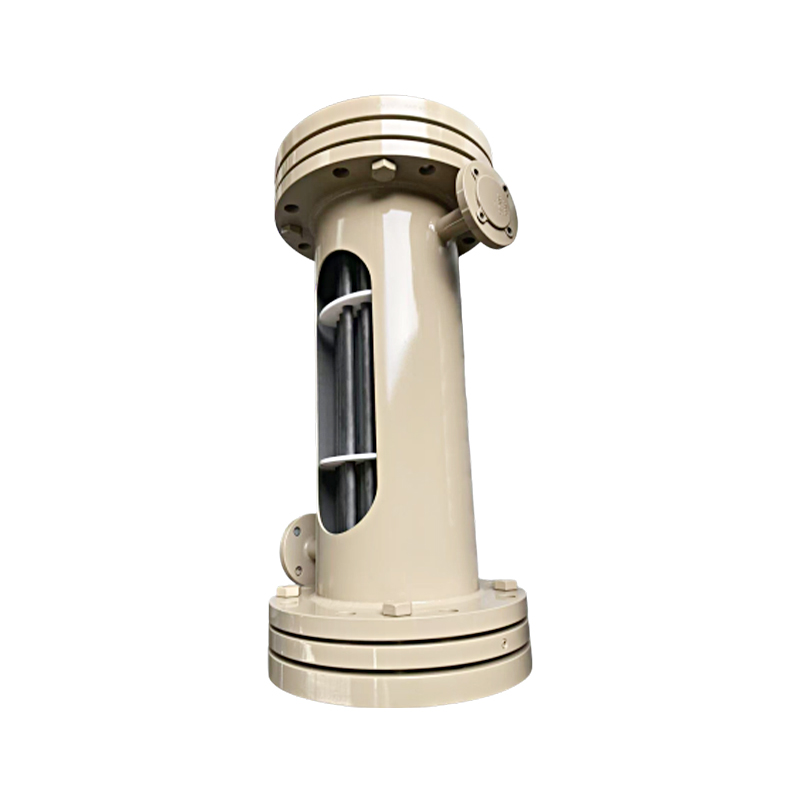
The design of silicon carbide heat exchangers also plays a role in managing thermal dynamics. Modern units often utilize a block or shell-and-tube design that accommodates the material's characteristics. The use of advanced sealing technologies, such as double O-ring systems or specialized gaskets, ensures that the integrity of the unit is maintained even as the components expand and contract slightly. Unlike brittle ceramics of the past, modern silicon carbide is processed to minimize flaws, granting it a degree of toughness that allows it to absorb energy. This structural integrity allows the heat exchanger to function as a monolithic barrier against the process fluids, regardless of the thermal turbulence occurring within.
Maintenance and longevity are significantly enhanced by this resistance to thermal shock. In traditional systems, operators must carefully ramp temperatures up and down to avoid damaging the equipment, a process that wastes time and energy. Silicon carbide heat exchangers eliminate the need for such cautious thermal cycling. They can be started up or shut down rapidly, allowing for greater flexibility in plant operations. This durability reduces the frequency of unplanned shutdowns and replacements, providing a distinct economic advantage over the lifecycle of the equipment. The ability to withstand the "hammering" effect of thermal expansion and contraction ensures that the heat transfer surfaces remain intact and efficient for decades.
Ultimately, the capacity of corrosion-resistant silicon carbide heat exchangers to handle thermal shock is a result of the synergy between low thermal expansion, high thermal conductivity, and superior mechanical strength. This triad of properties allows the material to endure the most violent thermal environments without compromising its structure. As industries continue to push the boundaries of temperature and efficiency to meet energy and production goals, silicon carbide stands as the material of choice, bridging the gap between extreme heat and reliable operation. Its performance ensures that thermal energy is transferred effectively, safely, and continuously, regardless of the challenges posed by the process environment.
Thermal shock occurs when a material is subjected to a sudden change in temperature, creating a temperature gradient across its structure. This gradient causes differential expansion or contraction, which induces internal stress. If this thermal stress exceeds the material's mechanical strength, the result is fracture. Silicon carbide (SiC) possesses a distinct combination of properties that makes it exceptionally resistant to this phenomenon. The primary factor is its remarkably low coefficient of thermal expansion. Unlike metals, which expand significantly when heated, silicon carbide remains dimensionally stable. This stability means that even when one side of a heat exchanger tube is exposed to scorching gases and the other to cooling fluids, the material does not distort or stretch enough to generate destructive stress levels.
Complementing its dimensional stability is the exceptionally high thermal conductivity of silicon carbide. In the context of heat exchange, this property is vital for mitigating thermal gradients. High thermal conductivity allows heat to dissipate rapidly through the material, equalizing the temperature difference between the hot and cold surfaces almost instantaneously. By smoothing out these temperature spikes, the material prevents the formation of localized hot spots that typically act as the initiation points for cracks. This rapid heat transfer capability means that silicon carbide heat exchangers can withstand temperature changes at rates exceeding 300°C per minute, a feat that would be impossible for graphite or stainless steel counterparts.
The mechanical strength of silicon carbide further fortifies it against thermal stress. Even at elevated temperatures where metals begin to soften and lose their structural integrity, silicon carbide maintains its hardness and modulus of elasticity. This high-temperature strength ensures that the material can withstand the compressive and tensile forces generated during thermal cycling. Furthermore, the microstructure of sintered silicon carbide is engineered to be dense and free of the porosity often found in graphite. This density not only prevents fluid permeation but also eliminates internal voids where stress fractures could propagate. The result is a component that behaves with a level of predictability and robustness that allows engineers to design more aggressive and efficient thermal processes.
In practical applications, such as the cooling of corrosive acids or the recovery of waste heat from flue gases, these properties translate into operational resilience. For instance, in the production of sulfuric acid or the treatment of hydrofluoric acid, the process streams often undergo rapid phase changes or temperature drops. A metal heat exchanger in this environment would suffer from thermal fatigue, leading to pinhole leaks and eventual failure. A silicon carbide unit, however, absorbs these shocks without degradation. The material's chemical inertness ensures that this resistance to thermal shock is not compromised by corrosion, a common issue where corrosive attack accelerates thermal fatigue in metals.
The design of silicon carbide heat exchangers also plays a role in managing thermal dynamics. Modern units often utilize a block or shell-and-tube design that accommodates the material's characteristics. The use of advanced sealing technologies, such as double O-ring systems or specialized gaskets, ensures that the integrity of the unit is maintained even as the components expand and contract slightly. Unlike brittle ceramics of the past, modern silicon carbide is processed to minimize flaws, granting it a degree of toughness that allows it to absorb energy. This structural integrity allows the heat exchanger to function as a monolithic barrier against the process fluids, regardless of the thermal turbulence occurring within.
Maintenance and longevity are significantly enhanced by this resistance to thermal shock. In traditional systems, operators must carefully ramp temperatures up and down to avoid damaging the equipment, a process that wastes time and energy. Silicon carbide heat exchangers eliminate the need for such cautious thermal cycling. They can be started up or shut down rapidly, allowing for greater flexibility in plant operations. This durability reduces the frequency of unplanned shutdowns and replacements, providing a distinct economic advantage over the lifecycle of the equipment. The ability to withstand the "hammering" effect of thermal expansion and contraction ensures that the heat transfer surfaces remain intact and efficient for decades.
Ultimately, the capacity of corrosion-resistant silicon carbide heat exchangers to handle thermal shock is a result of the synergy between low thermal expansion, high thermal conductivity, and superior mechanical strength. This triad of properties allows the material to endure the most violent thermal environments without compromising its structure. As industries continue to push the boundaries of temperature and efficiency to meet energy and production goals, silicon carbide stands as the material of choice, bridging the gap between extreme heat and reliable operation. Its performance ensures that thermal energy is transferred effectively, safely, and continuously, regardless of the challenges posed by the process environment.