

-
2026-04-14 2026-04-14
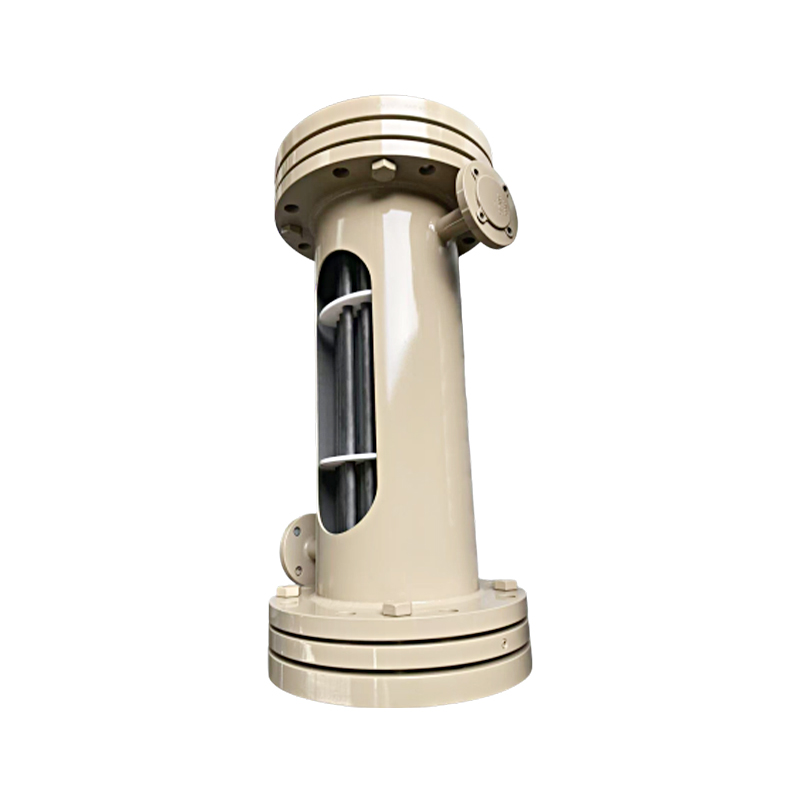
How does a corrosion-resistant silicon carbide heat exchanger overcome the challenges of high-temperature, highly corrosive environments?
In core production processes in industries such as chemical engineering, metallurgy, and new energy, heat exchange equipment constantly faces the dual challenges of high temperatures and strong corrosion. -
2026-04-07 2026-04-07
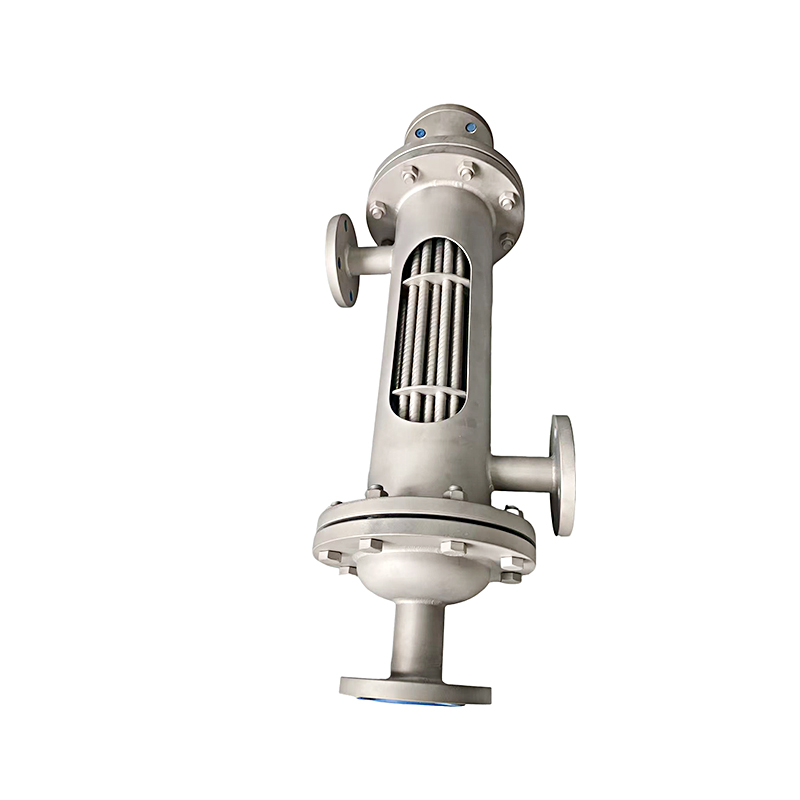
How can high-efficiency shell and tube heat exchangers maximize waste heat recovery efficiency under energy conservation and emission reduction requirements?
High-efficiency shell and tube heat exchangers, as one of the most widely used heat exchange devices in process industries, play a crucial role in waste heat recovery. -
2026-04-01 2026-04-01
How does the High Efficiency Shell and Tube Heat Exchanger redefine the efficiency benchmark for industrial heat exchange through structural innovation?
In the grand energy cycle of industrial production, the heat exchanger acts as a powerful "energy heart," tirelessly driving the flow and replacement of the heat medium. -
2026-03-24 2026-03-24
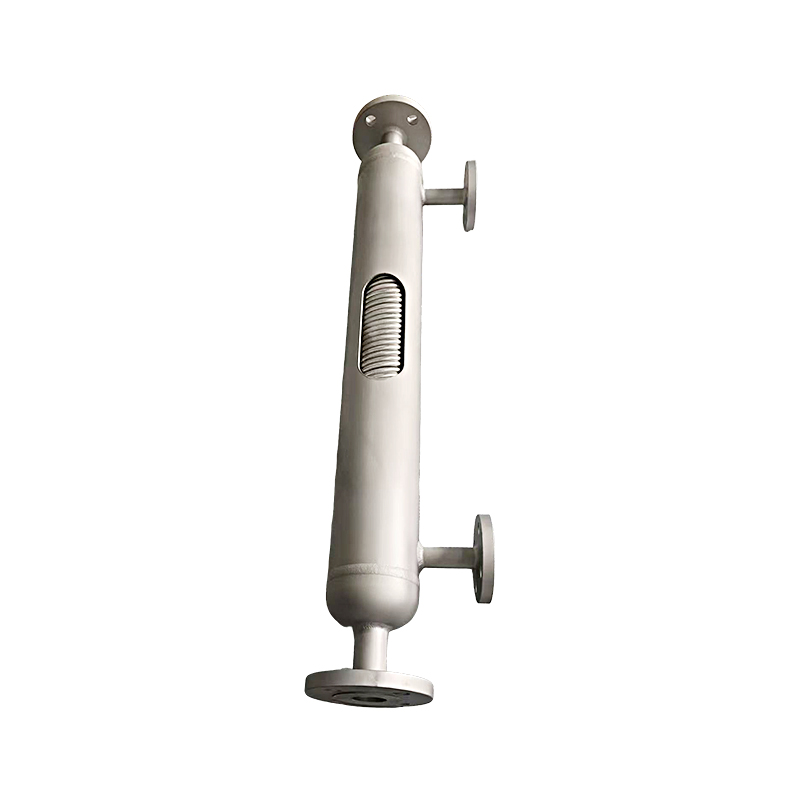
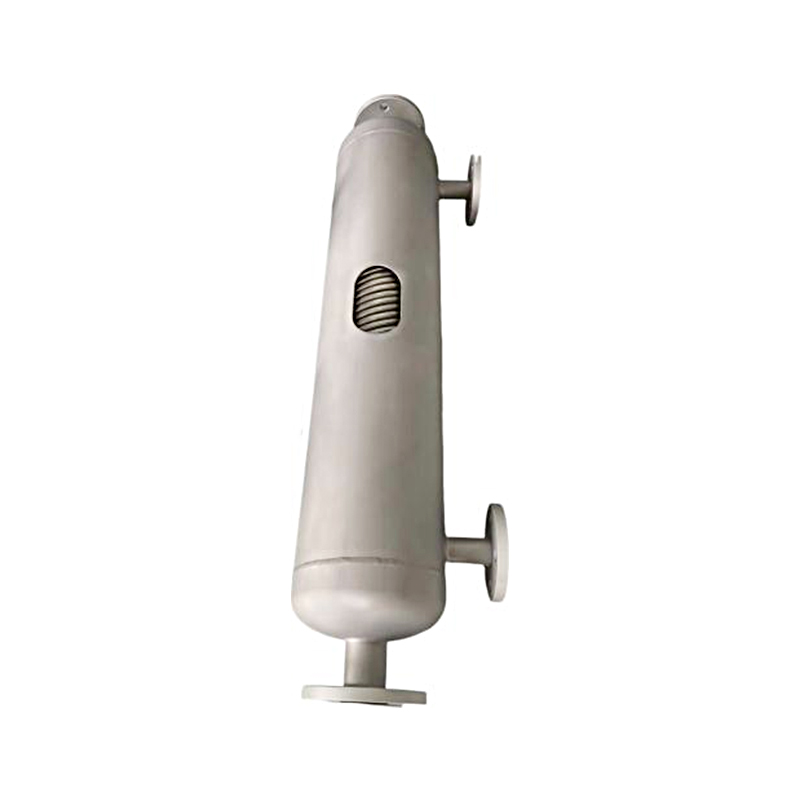
What Are the Key Advantages of Stainless Steel Spiral Wound Tube Heat Exchangers?
The stainless steel spiral wound tube heat exchanger represents a pinnacle of engineering efficiency in the realm of thermal management, particularly for industries demanding robust performance under extreme conditions. -
2026-03-19 2026-03-19
How Does the Stainless Steel Spiral Wound Tube Heat Exchanger Reshape the Pinnacle of Industrial Thermal Efficiency?
In the complex industrial manufacturing systems, heat exchange technology has always played a core role in energy conversion and efficiency improvement. -
2026-03-10 2026-03-10
How do high-efficiency shell and tube heat exchangers achieve long lifespan and low maintenance?
High-efficiency shell and tube heat exchangers demonstrate significant advantages in industrial heat exchange due to their innovative design and superior performance.